Certified Lab-Grown
Asscher Cut Lab-Grown Diamonds
Asscher cut lab-grown diamonds are distinguished by their square outline, clipped corners and concentric step-cut facets. Viewed from above, their geometric reflections often create a striking windmill-like pattern. The open facet arrangement emphasizes clarity, symmetry and the balance of light throughout the diamond.
- GIA & IGI Certified
- Complimentary Shipping
- 30-Day Returns
- Lifetime Warranty
248 Diamonds
- 2.67 CT AsscherE Color · VVS2 Clarity$1,575
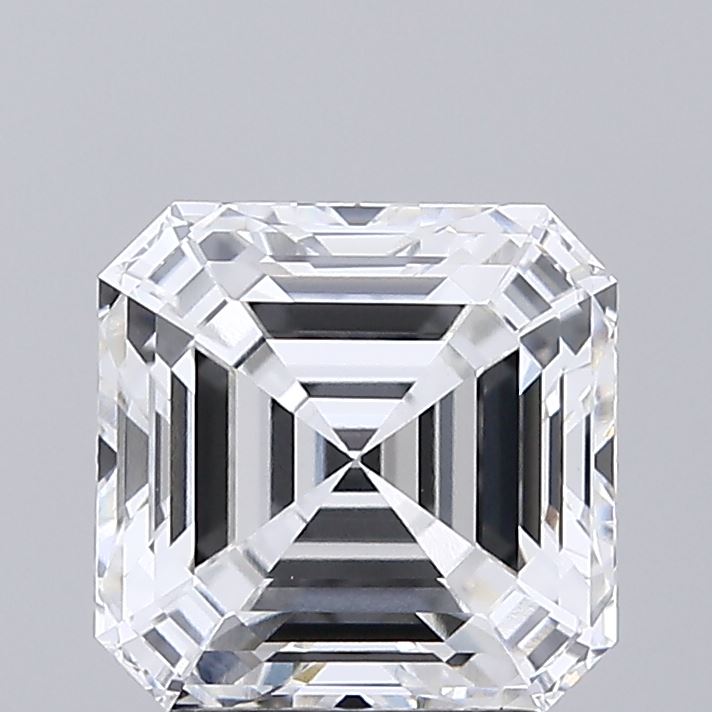 Video
- 2.17 CT AsscherG Color · VS2 Clarity$1,085
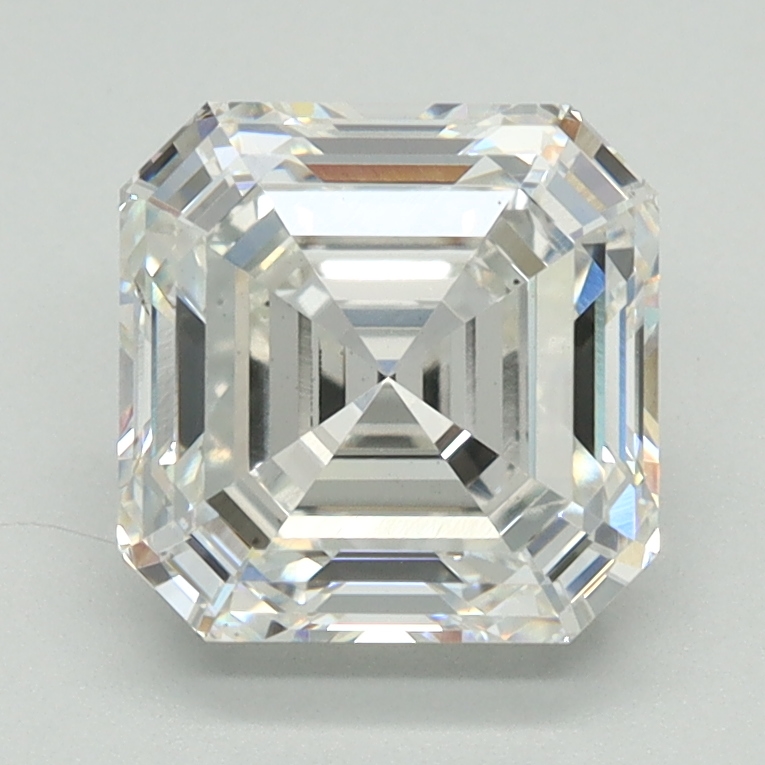 Video
- 2.53 CT AsscherF Color · VVS2 Clarity$1,429
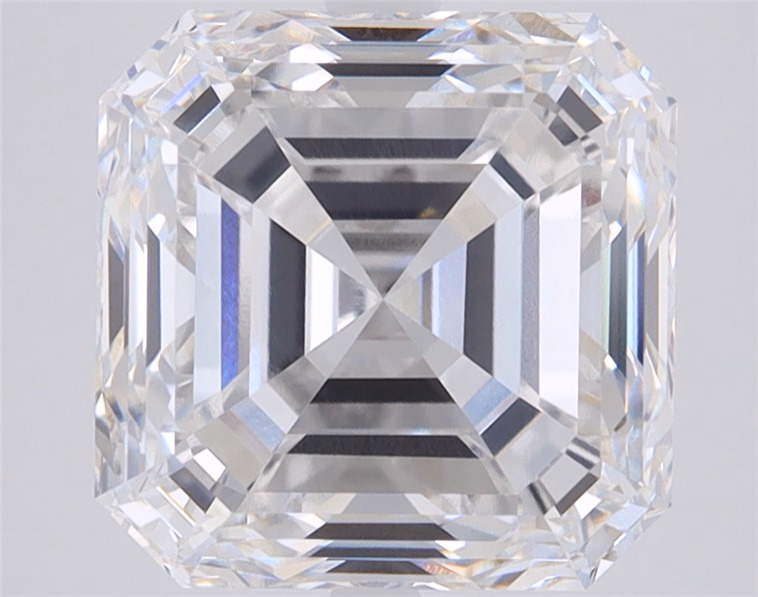 Video
- 2.2 CT AsscherE Color · VS1 Clarity$1,254
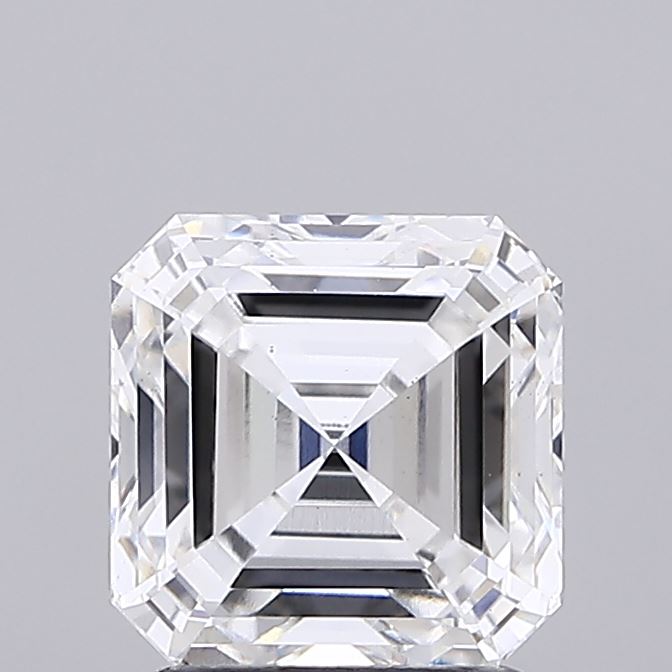 Video
- 2.55 CT AsscherF Color · VVS1 Clarity$1,492
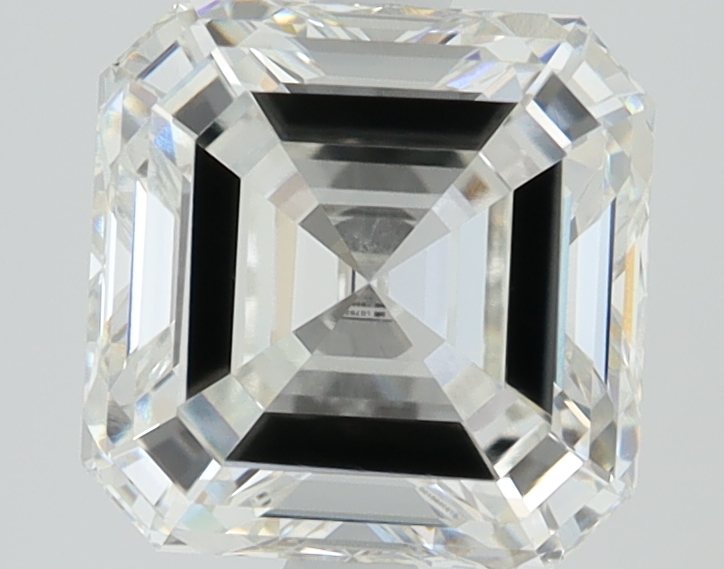 Video
- 2.89 CT AsscherD Color · VS1 Clarity · Excellent Cut$1,720360°
- 2.52 CT AsscherD Color · VVS1 Clarity · Excellent Cut$1,600360°
- 2.37 CT AsscherD Color · VVS1 Clarity · Excellent Cut$1,505
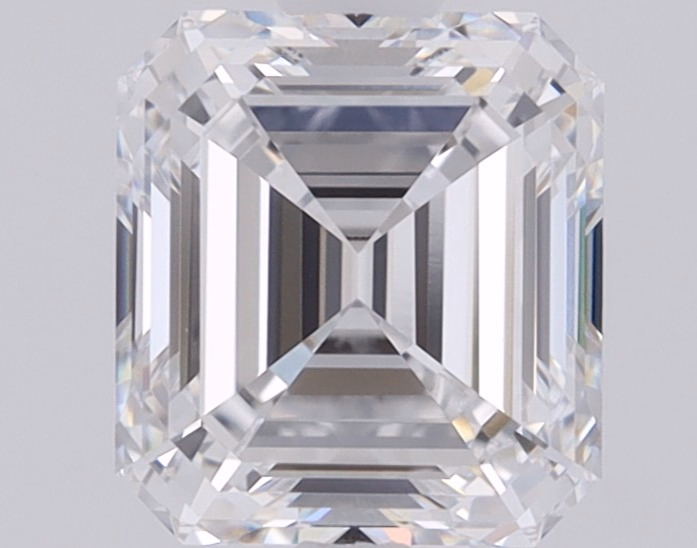 Video
- 2.54 CT AsscherE Color · VVS2 Clarity · Excellent Cut$1,499360°
- 2.34 CT AsscherD Color · VS1 Clarity$1,392
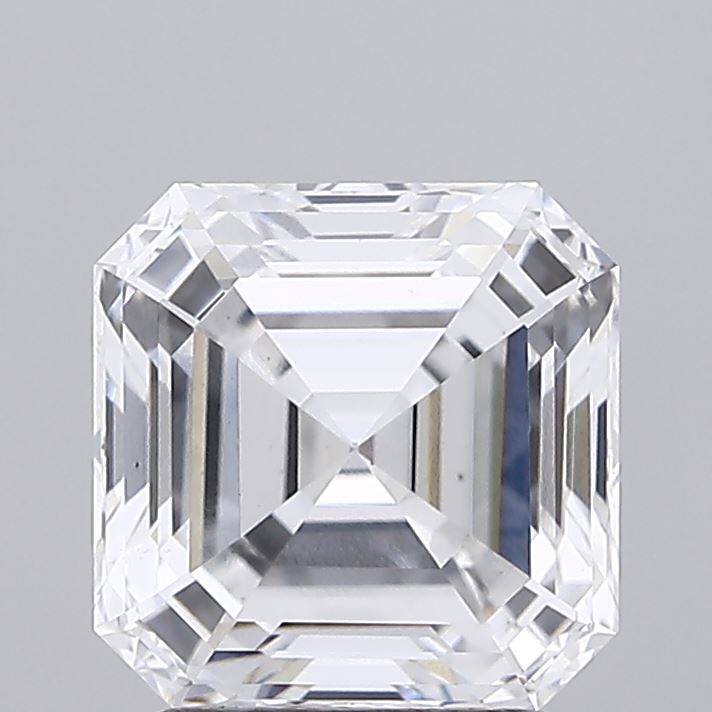 Video
- 2.56 CT AsscherF Color · VVS2 Clarity · Excellent Cut$1,446360°
- 2.93 CT AsscherD Color · VVS2 Clarity · Excellent Cut$1,802360°
- 2.48 CT AsscherE Color · VVS2 Clarity$1,463
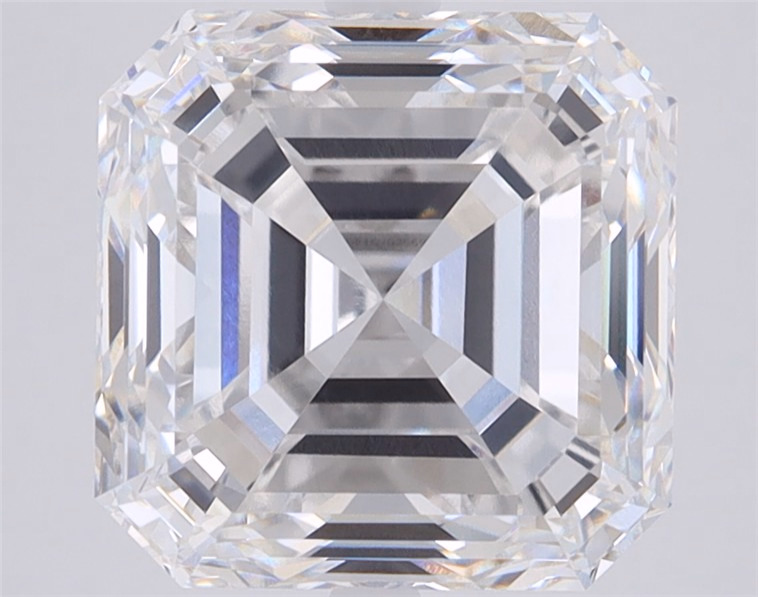 Video
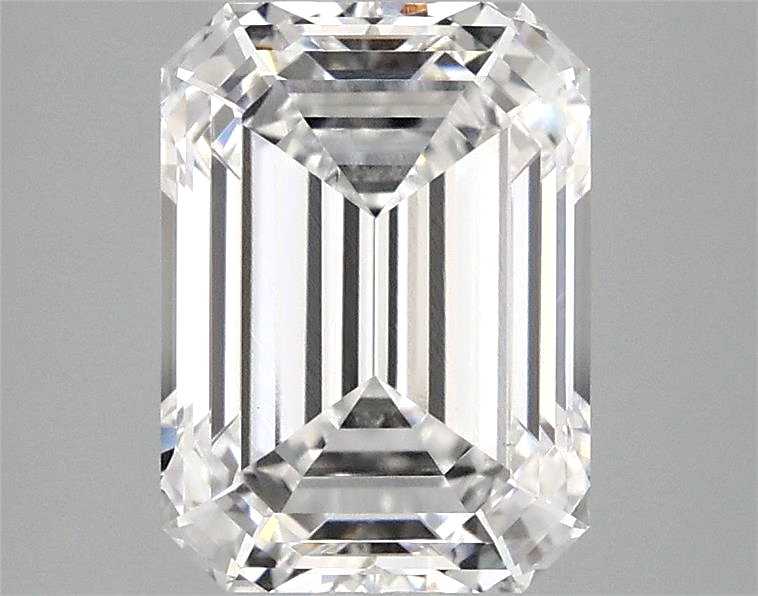
- 2.83 CT AsscherF Color · VS1 Clarity$1,542
 Video
- 2.09 CT AsscherF Color · VVS1 Clarity · Excellent Cut$1,223360°
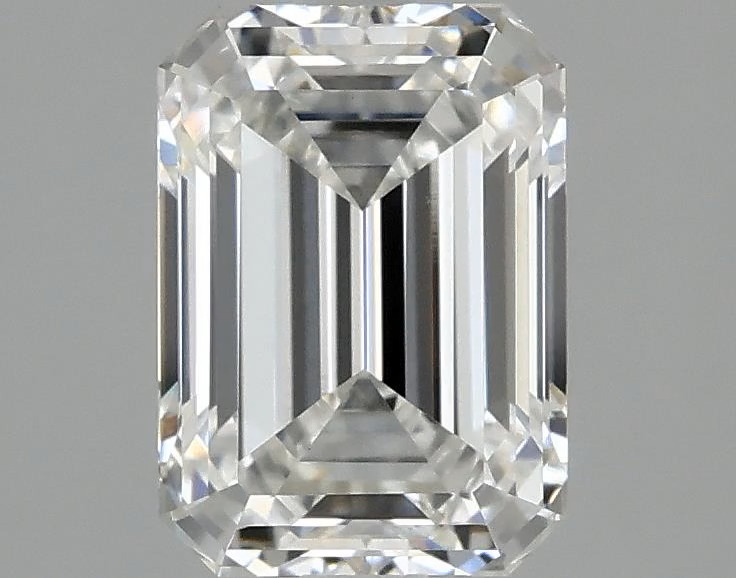
- 2.84 CT AsscherF Color · VS1 Clarity$1,548
 Video
- 2.07 CT AsscherD Color · VVS2 Clarity · Excellent Cut$1,273360°
- 2.56 CT AsscherD Color · VS1 Clarity · Excellent Cut$1,523360°
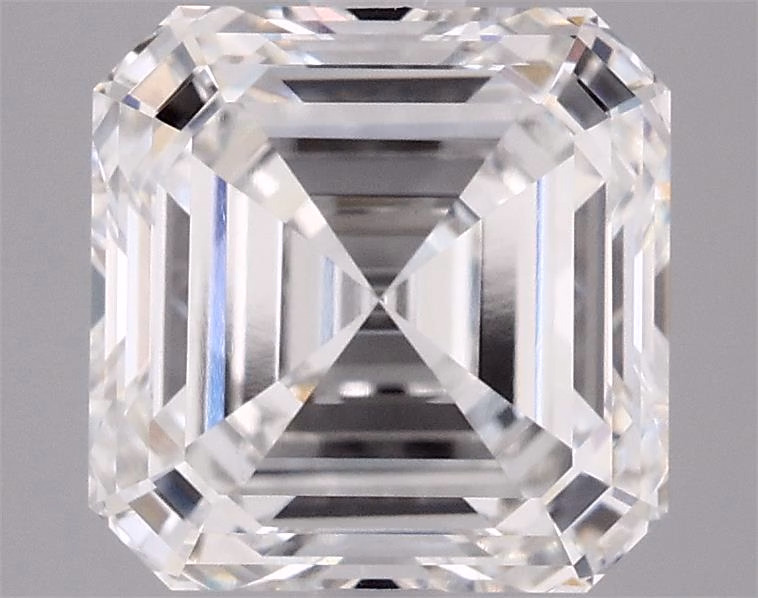
- 2.62 CT AsscherE Color · VVS2 Clarity$1,546
 Video
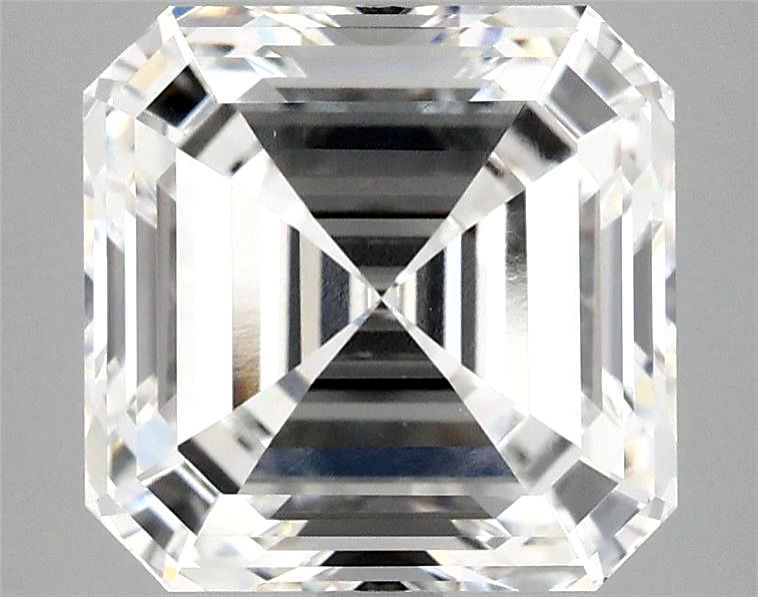
- 2.95 CT AsscherF Color · VS1 Clarity$1,608
 Video
- 2.86 CT AsscherE Color · VS2 Clarity$1,573
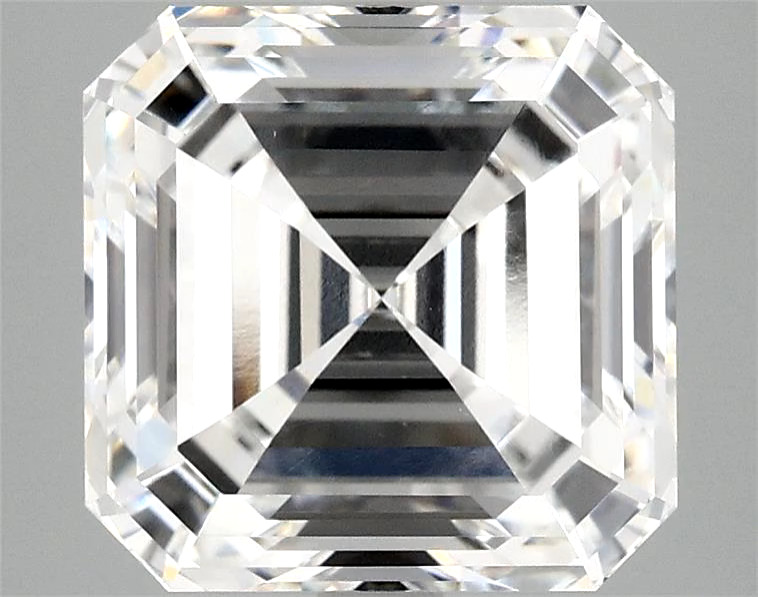 Video
- 2.1 CT AsscherF Color · VS1 Clarity$1,145
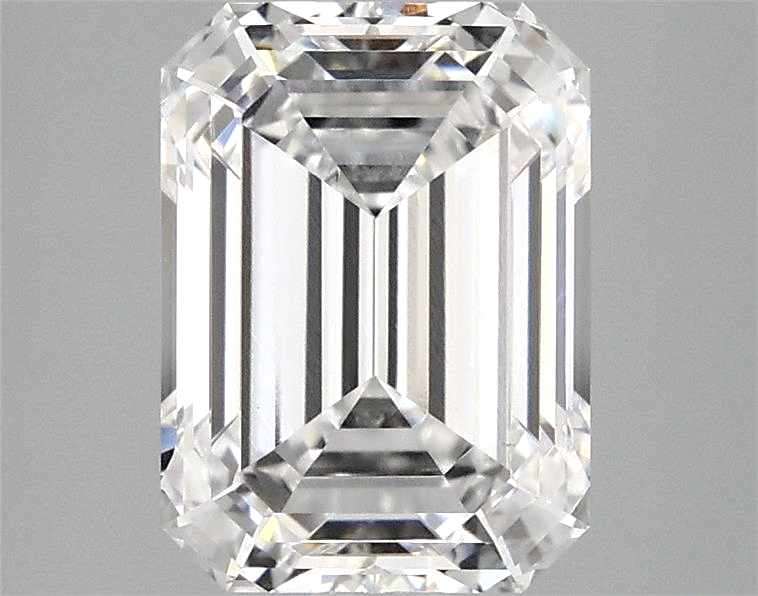 Video
- 2.78 CT AsscherD Color · VS1 Clarity$1,654
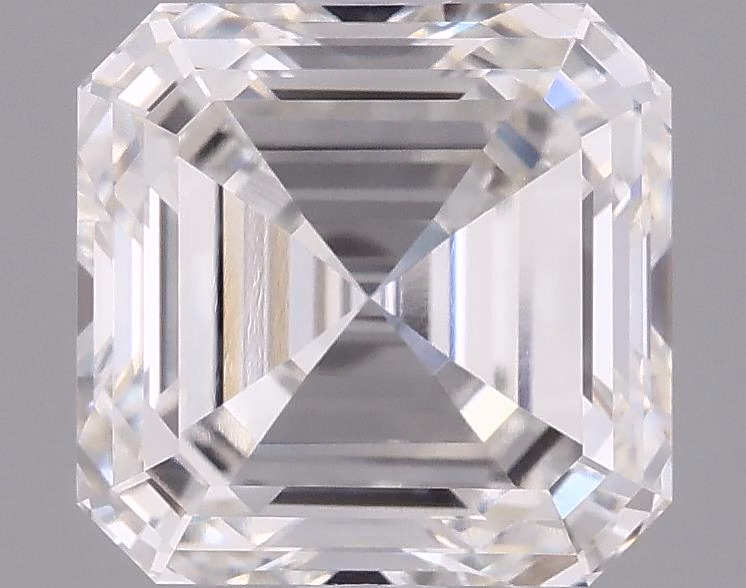 Video
- 2.7 CT AsscherF Color · VVS2 Clarity$1,526
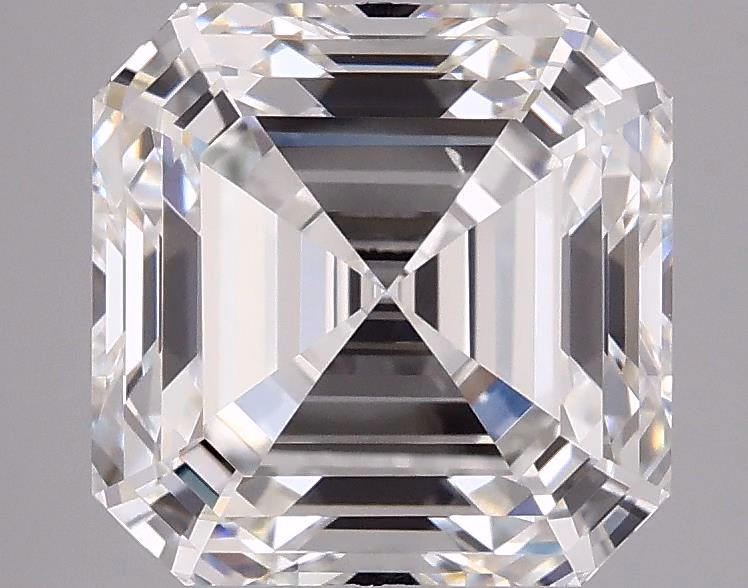 Video
- 2.28 CT AsscherF Color · VVS2 Clarity$1,288
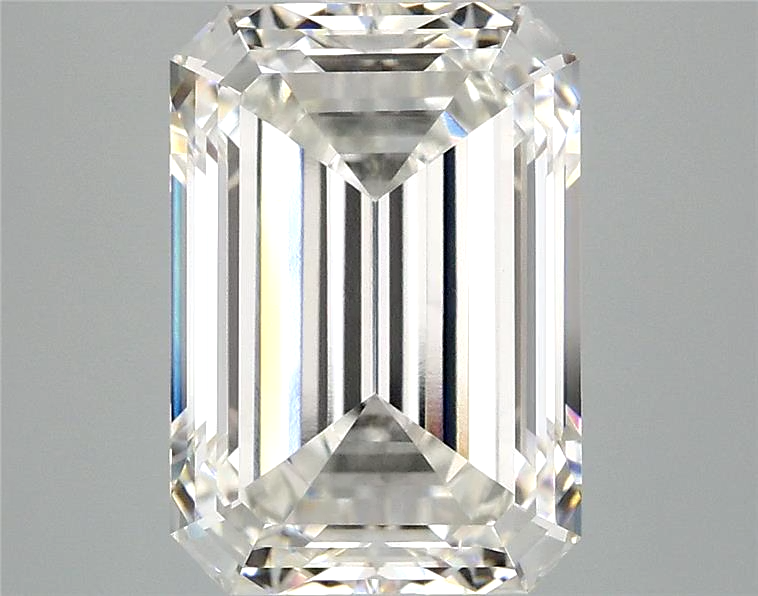 Video
- 2.99 CT AsscherE Color · VS2 Clarity$1,645
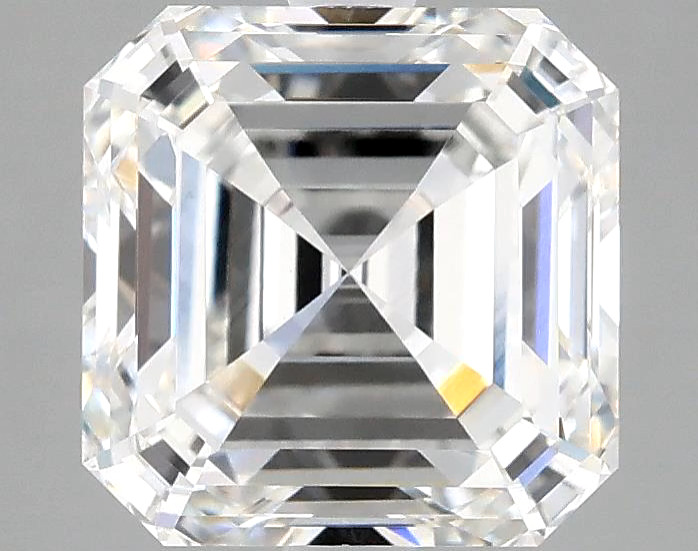 Video
- 2.85 CT AsscherF Color · VVS2 Clarity$1,610
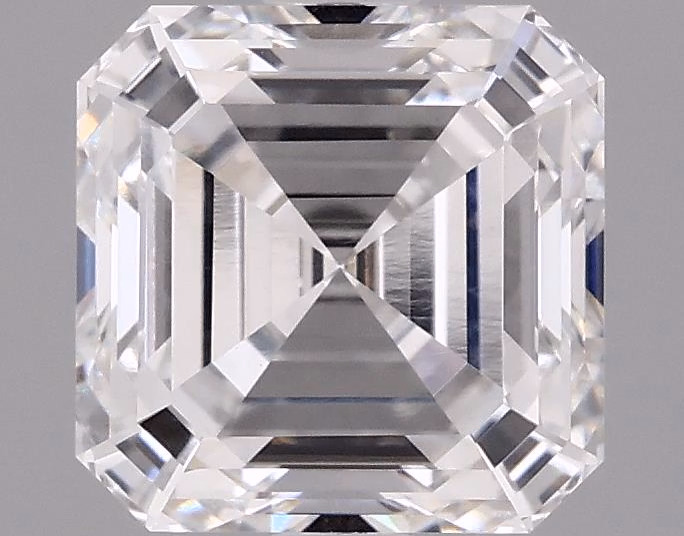 Video
- 2.99 CT AsscherF Color · VS1 Clarity$1,630
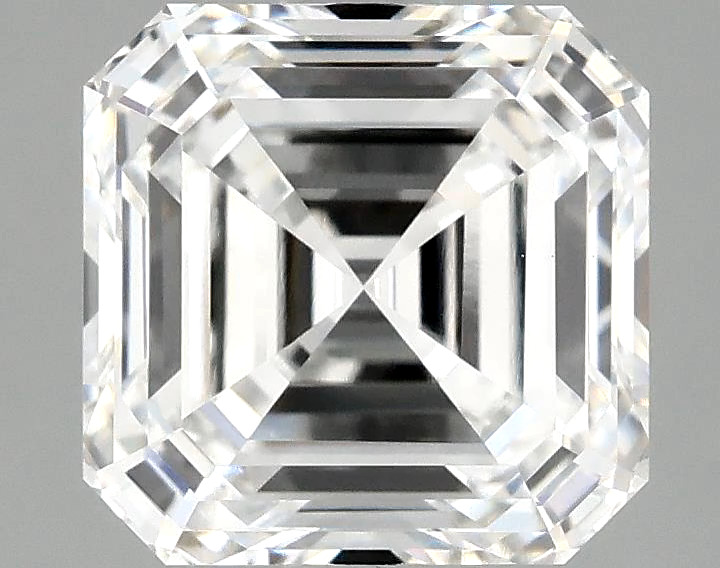 Video
Showing 28 of 248
Certified Lab-Grown
About Asscher Cut Lab-Grown Diamonds
The Asscher-style cut is associated with vintage geometric design. Its concentric steps create a sense of depth and a pattern of broad reflections rather than the smaller flashes associated with brilliant cuts.
The open facets make inclusions and subtle color relatively noticeable. Examine the center of the stone, the alignment of its steps and its face-up width. A higher carat weight does not necessarily mean a proportionately wider diamond.
Also compare: Emerald Cut Lab-Grown Diamonds, Princess Cut Lab-Grown Diamonds
Asscher Cut Diamond FAQs
How does an Asscher differ from an emerald cut?
Both are step cuts, but an Asscher-style diamond is typically square with prominent clipped corners, whereas the classic emerald cut is rectangular.
What clarity should I choose for an Asscher diamond?
VS1 is a useful starting point for a visually clean appearance. Examine the individual diamond before deciding.
Do Asscher diamonds sparkle?
Yes. They produce structured, broad flashes and geometric reflections rather than the densely scattered flashes of many brilliant cuts.
How many facets does an Asscher diamond have?
Facet counts vary across square step-cut designs, so verify the individual cutting style rather than assuming a fixed number.
What is a good Asscher cut ratio?
A ratio near 1.00 creates a square outline. Symmetry and the visual pattern of the steps also matter.
Do Asscher diamonds look smaller for their weight?
Some carry substantial weight in their depth. Compare face-up width and length in millimeters to assess visible size.