Certified Lab-Grown
Emerald Cut Lab-Grown Diamonds
Emerald cut lab-grown diamonds are distinguished by their rectangular shape, clipped corners and long, parallel step-cut facets. Their broad flashes of light create a signature hall-of-mirrors effect. The open facet pattern makes color and clarity particularly important when selecting a loose emerald cut diamond.
- GIA & IGI Certified
- Complimentary Shipping
- 30-Day Returns
- Lifetime Warranty
1,142 Diamonds
- 2.99 CT EmeraldD Color · VVS2 Clarity$1,839
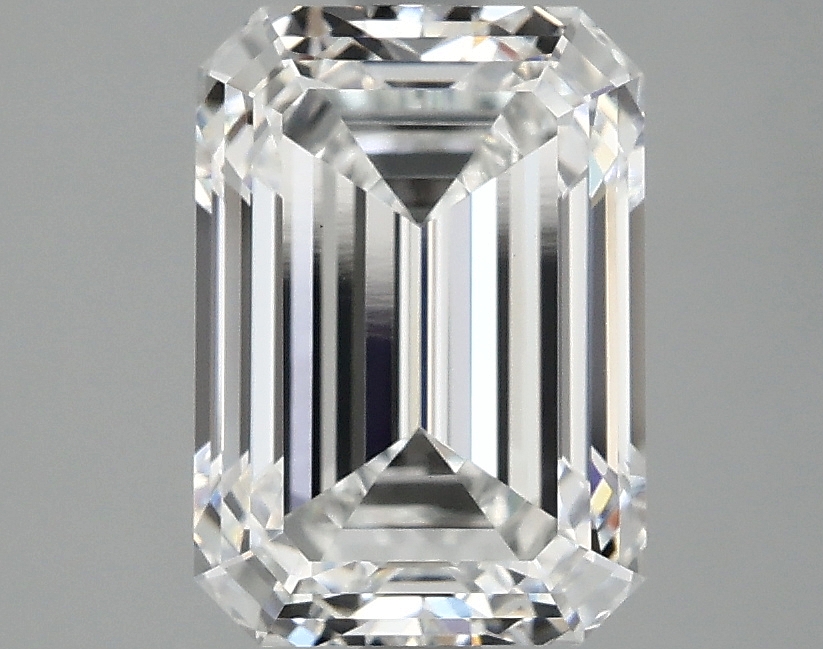 Video
- 2.47 CT EmeraldE Color · VVS2 Clarity$1,457
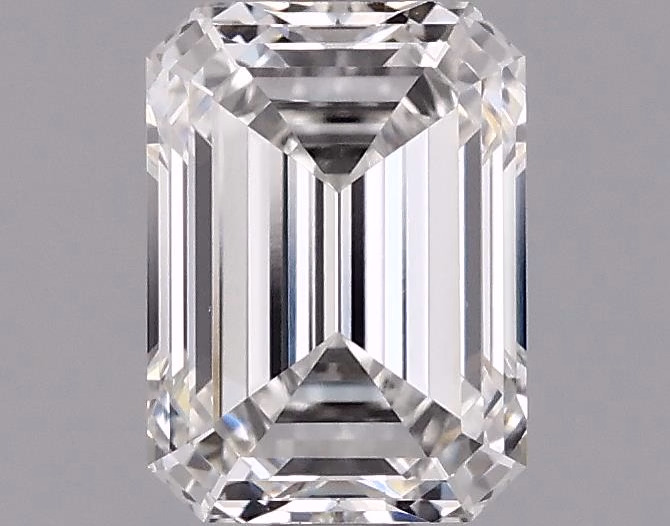 Video
- 3.88 CT EmeraldE Color · VVS2 Clarity$2,289
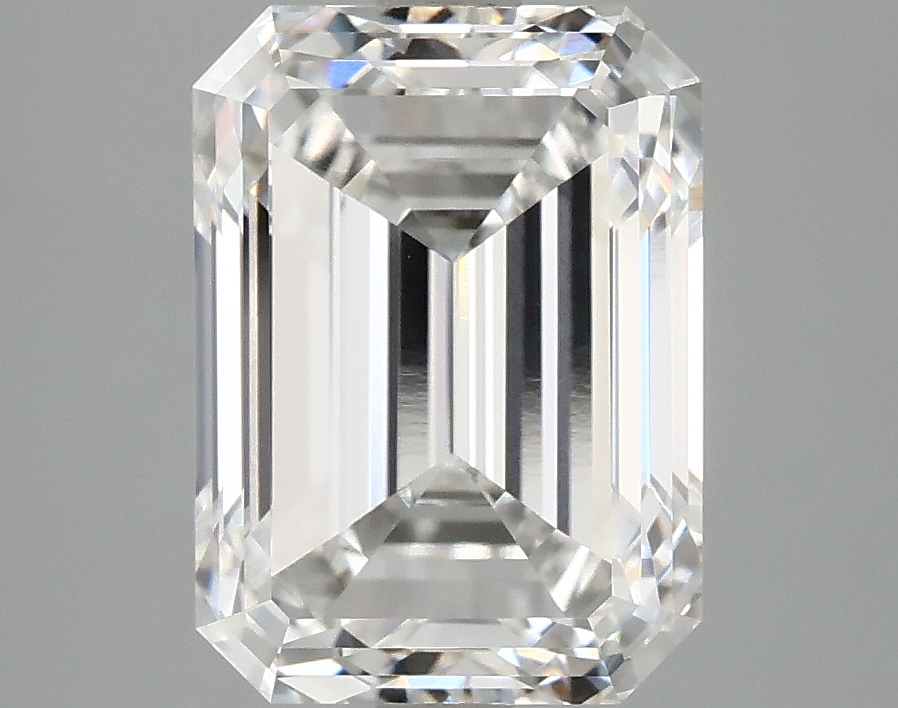 Video
- 2.99 CT EmeraldF Color · VVS2 Clarity · Excellent Cut$1,689
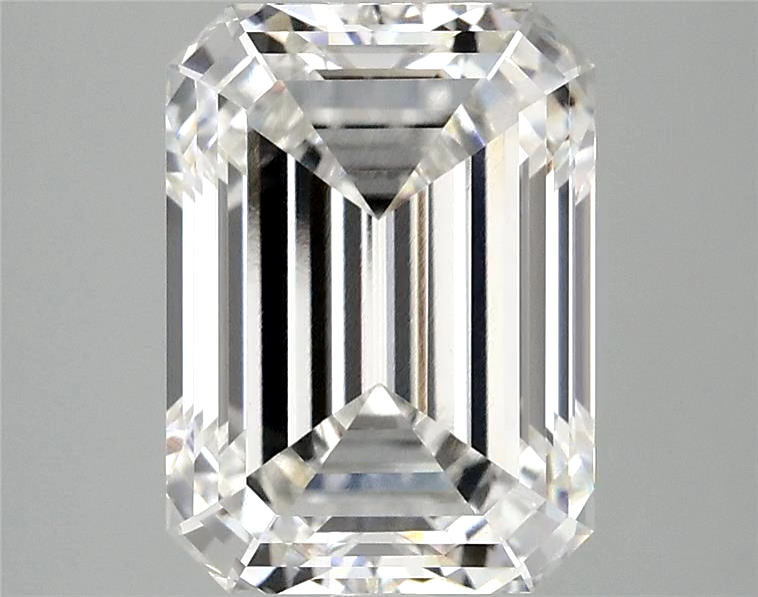 Video
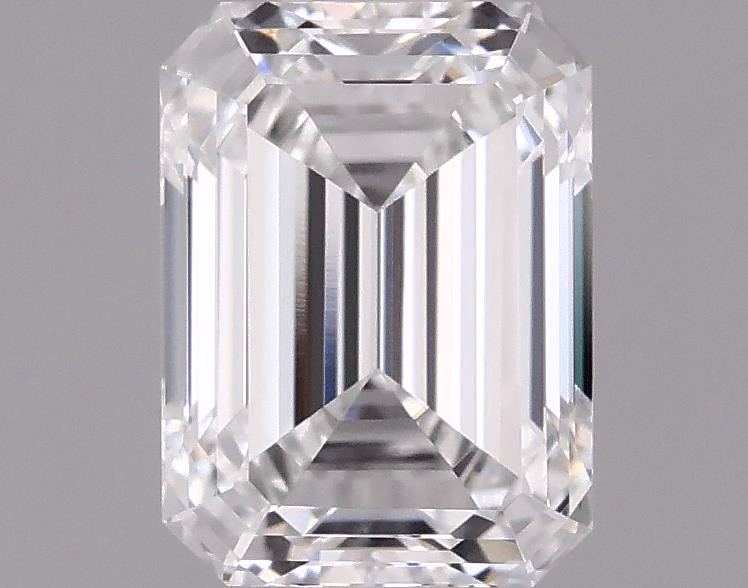
- 2.42 CT EmeraldE Color · VVS2 Clarity$1,428
 Video
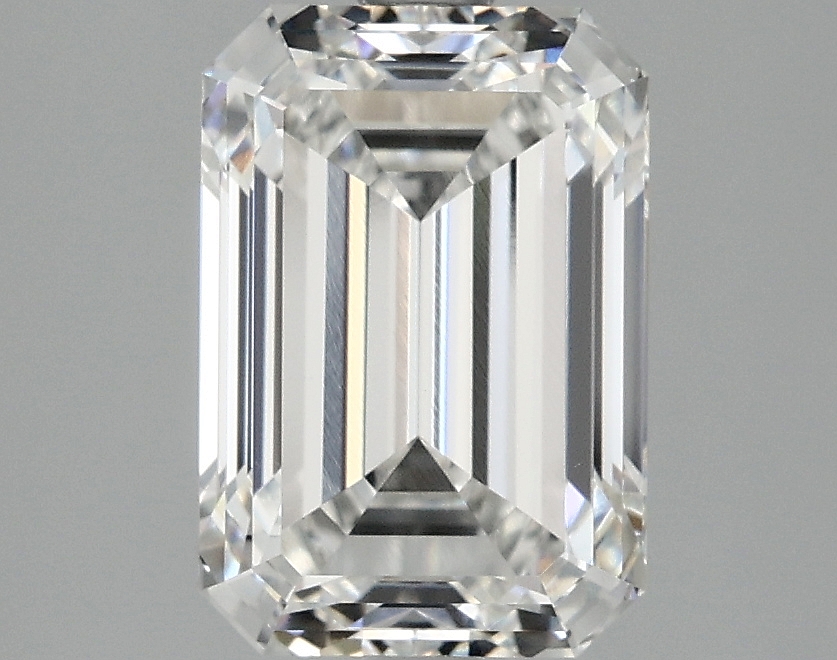
- 2.9 CT EmeraldE Color · VVS2 Clarity$1,711
 Video
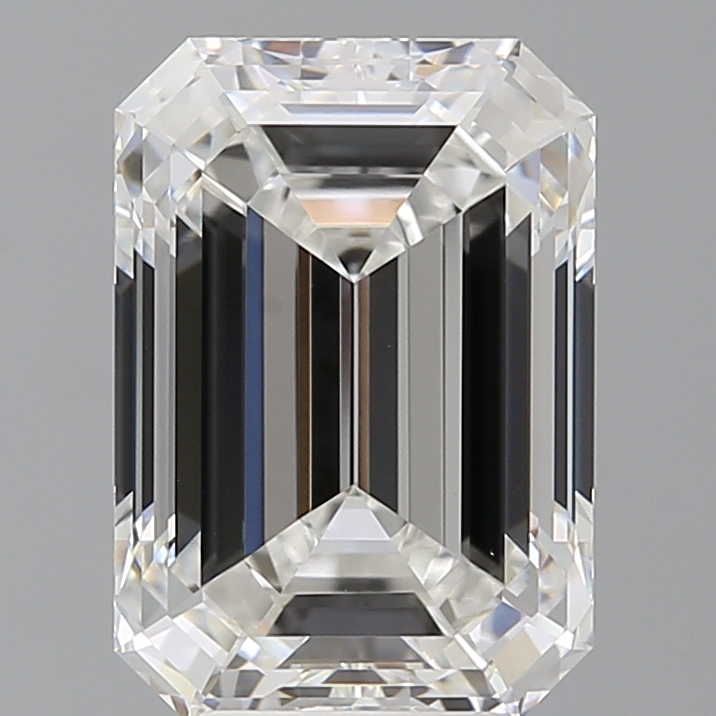
- 5.59 CT EmeraldF Color · VVS2 Clarity$3,158
 Video
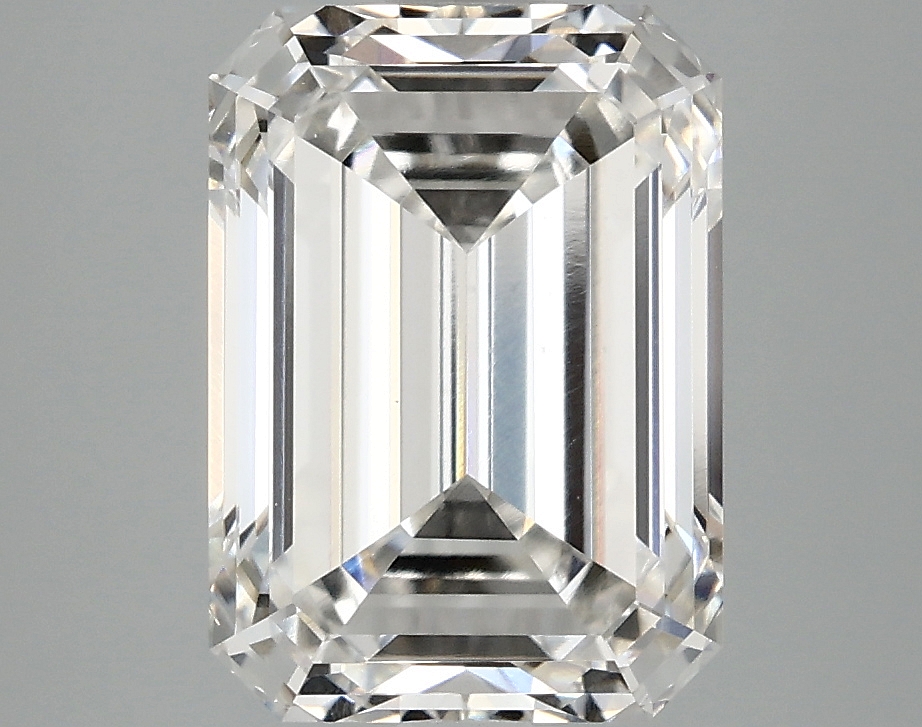
- 3.74 CT EmeraldF Color · VVS2 Clarity$2,113
 Video
- 2.48 CT EmeraldF Color · VVS2 Clarity$1,401
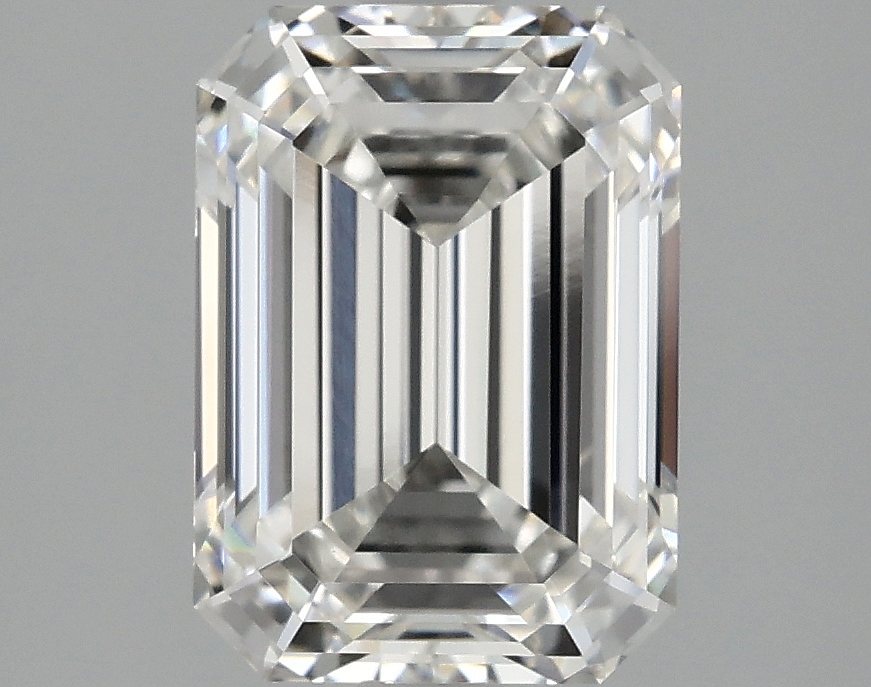 Video
- 1 CT EmeraldF Color · VVS2 Clarity$565
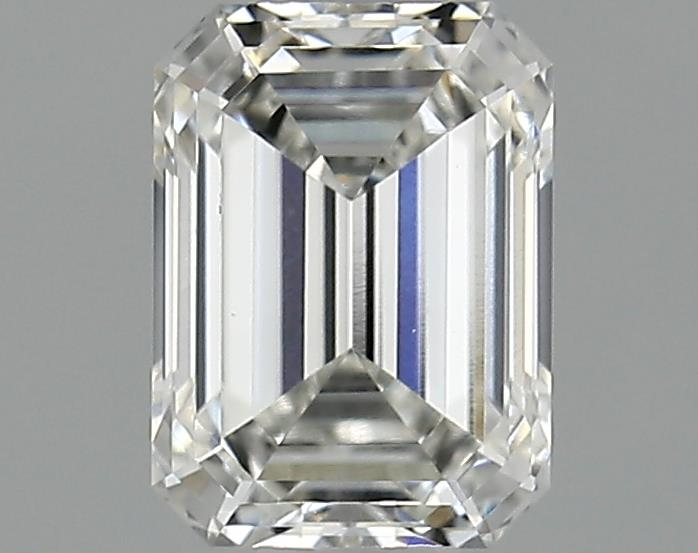 Video
- 3.22 CT EmeraldF Color · VVS2 Clarity$1,819
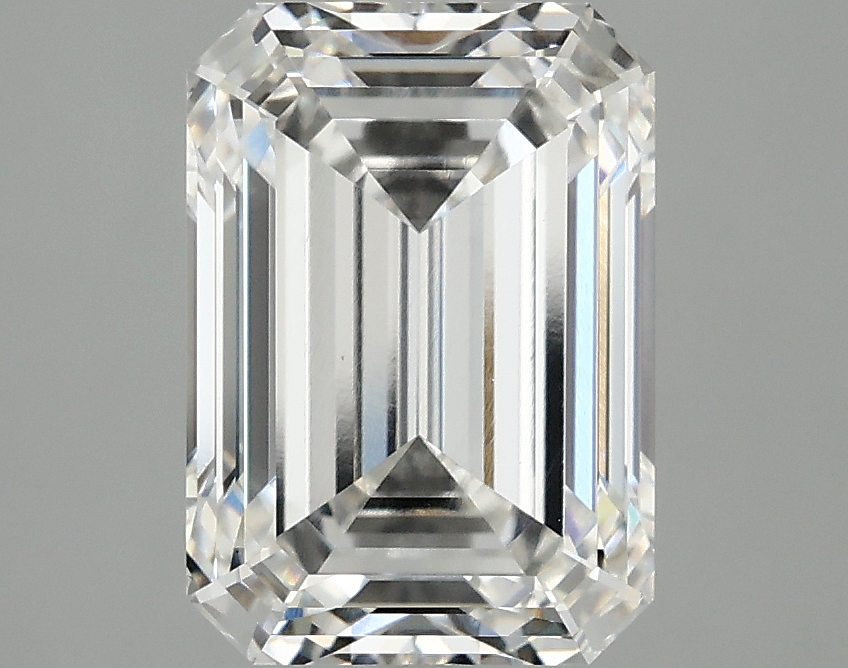 Video
- 4.1 CT EmeraldE Color · VVS2 Clarity$2,419
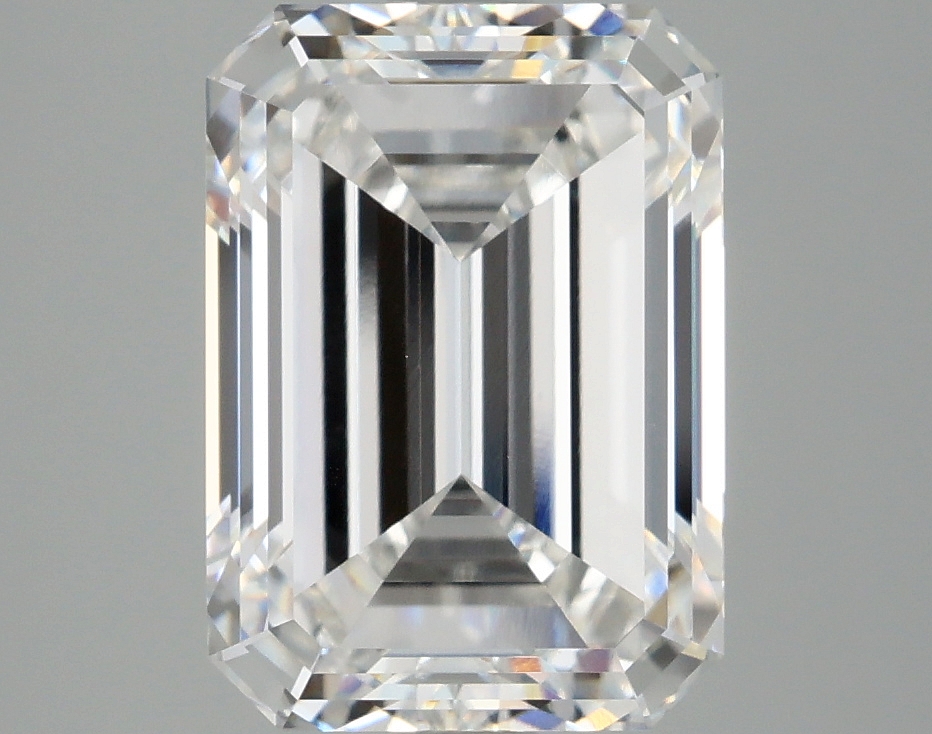 Video
- 1.61 CT EmeraldE Color · VVS1 Clarity$982
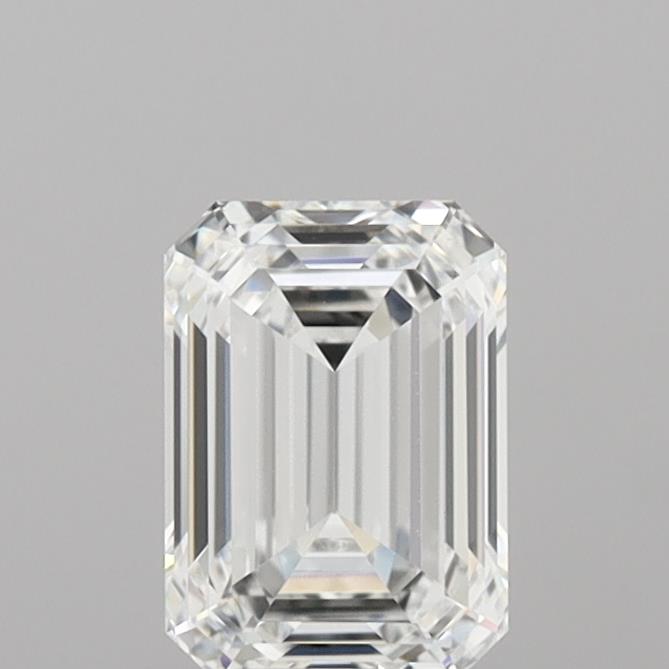 Video
- 2.92 CT EmeraldF Color · VVS2 Clarity$1,650
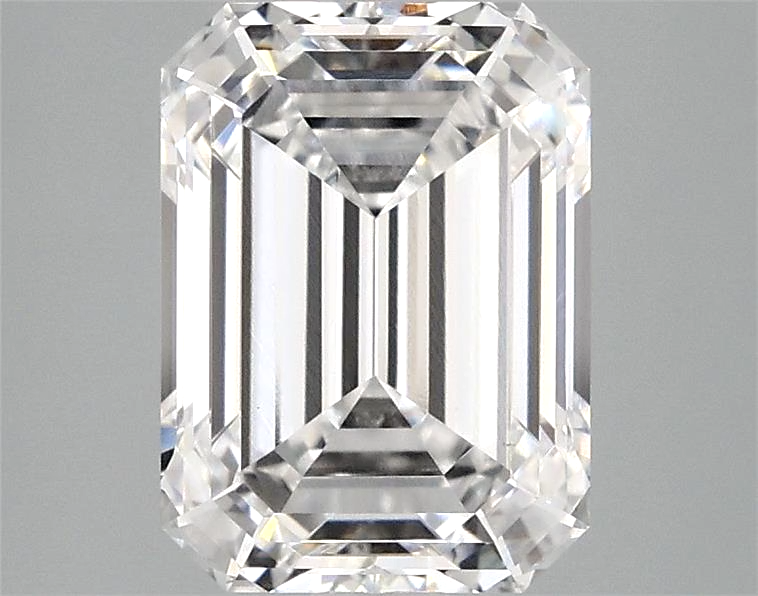 Video
- 3.81 CT EmeraldF Color · VVS2 Clarity$2,153
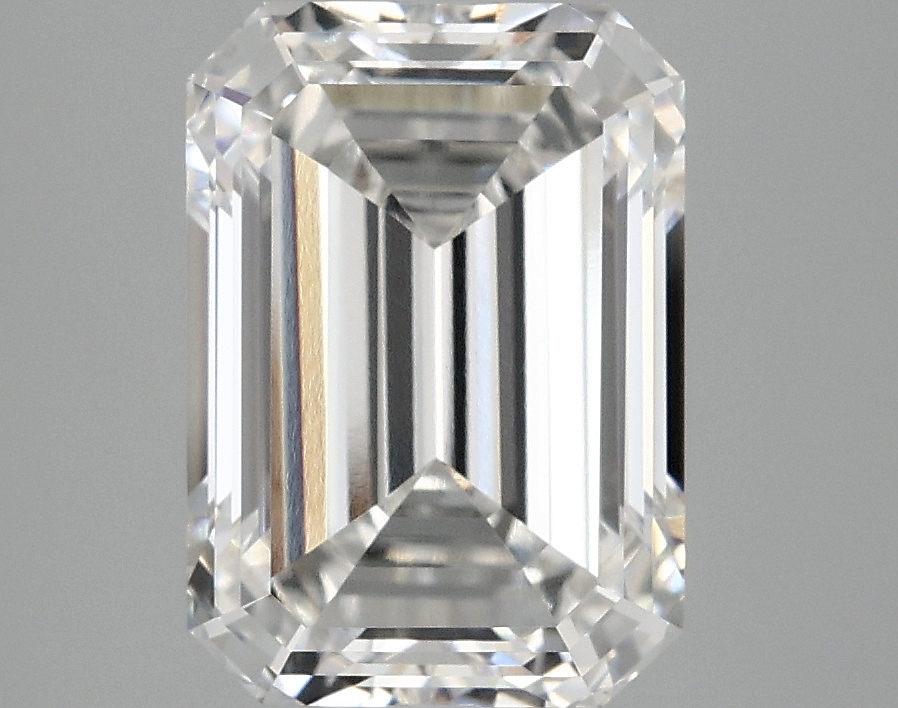 Video
- 1.12 CT EmeraldD Color · VVS2 Clarity · Excellent Cut$689360°
- 1.61 CT EmeraldD Color · VVS2 Clarity$990Video
- 2.55 CT EmeraldE Color · VVS1 Clarity$1,556
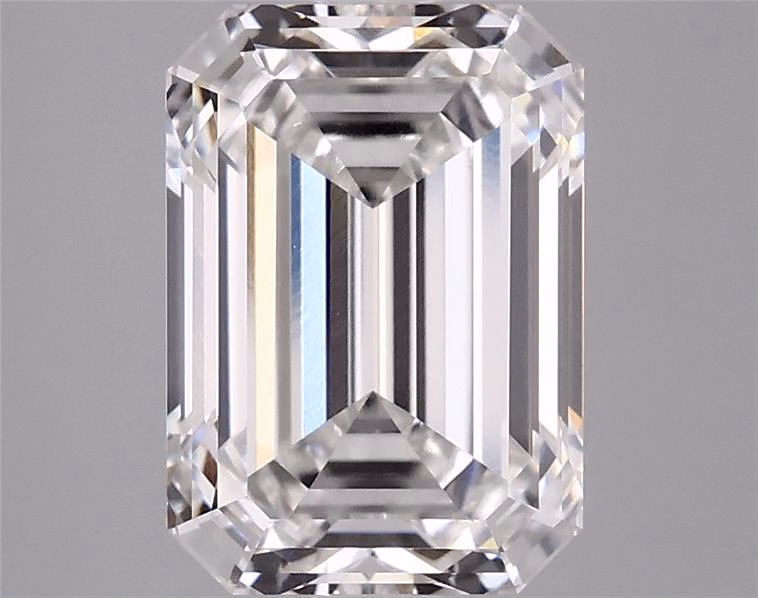 Video
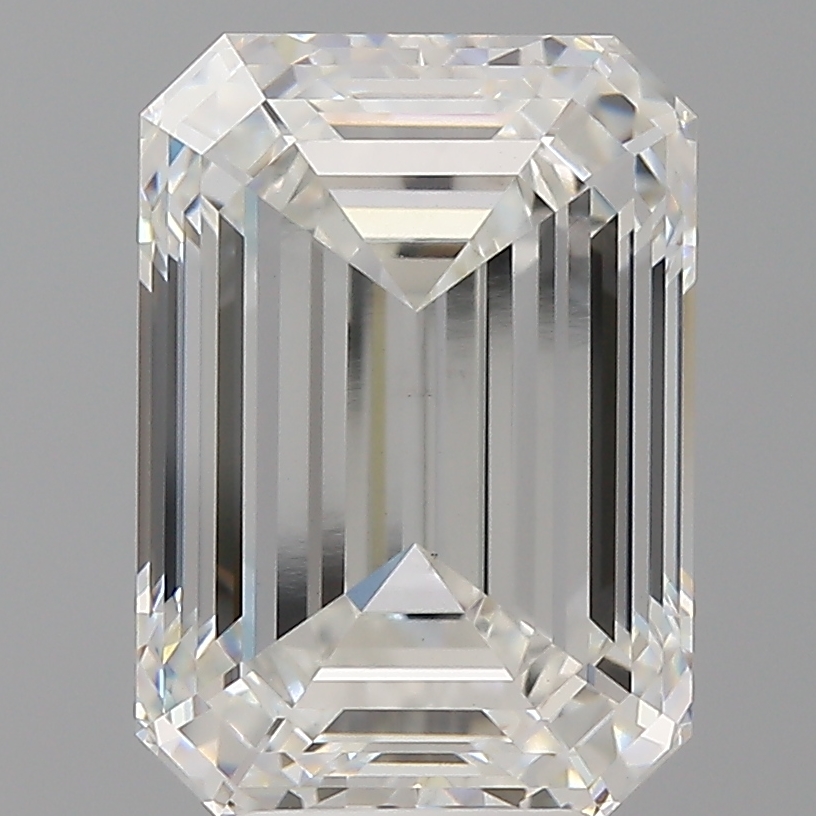
- 5.57 CT EmeraldF Color · VVS2 Clarity$3,147
 Video
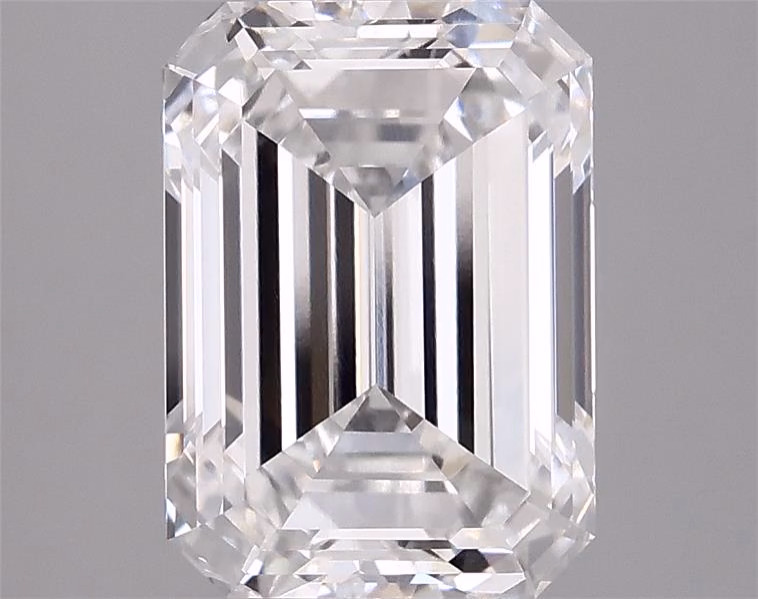
- 3.99 CT EmeraldF Color · VVS2 Clarity$2,254
 Video
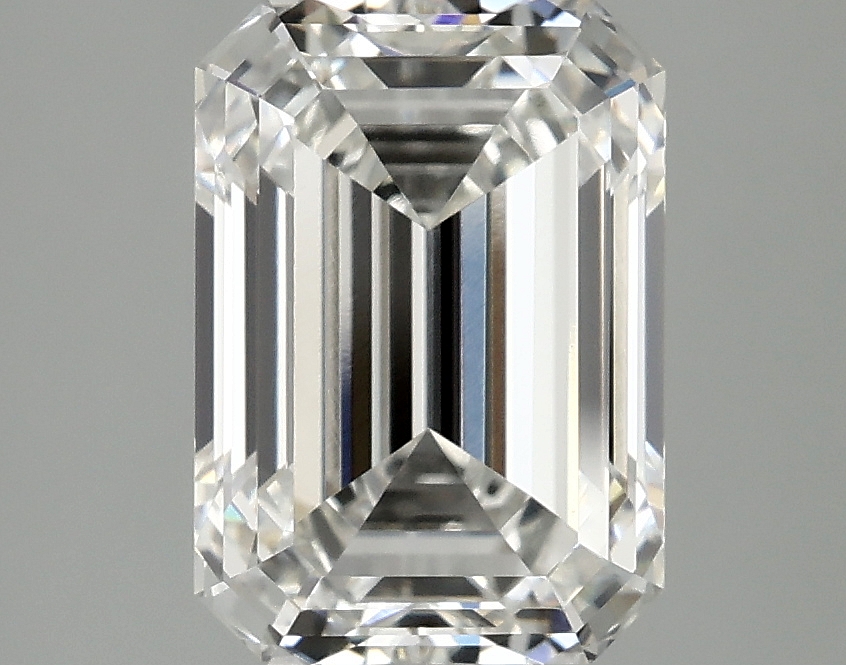
- 3.24 CT EmeraldF Color · VVS2 Clarity$1,831
 Video
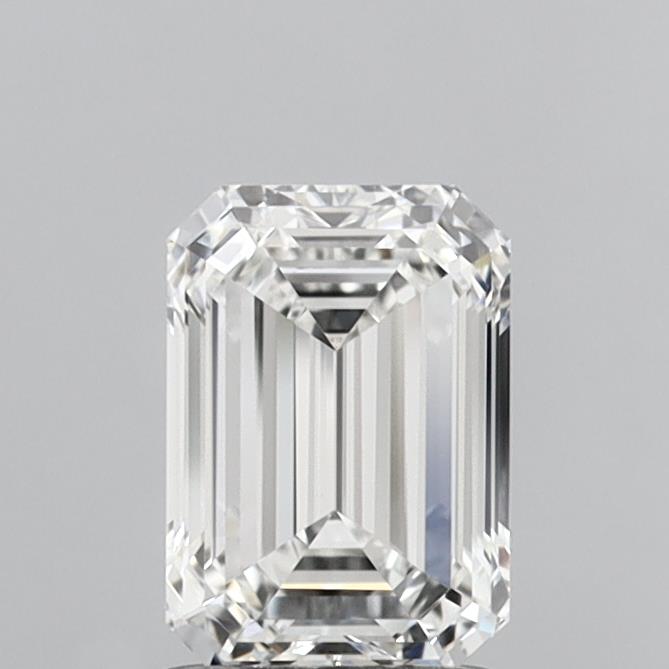
- 1.54 CT EmeraldF Color · VVS1 Clarity$901
 Video
- 3.82 CT EmeraldF Color · VVS2 Clarity$2,158
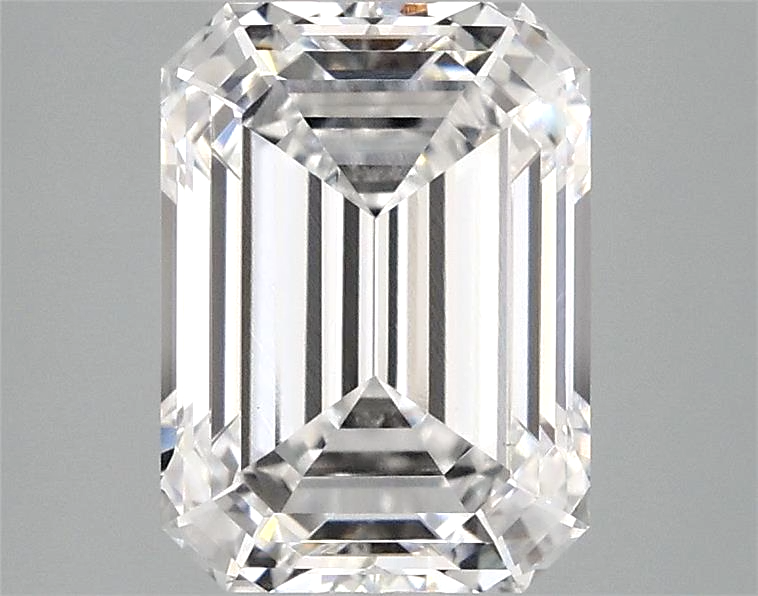 Video
- 3.25 CT EmeraldE Color · VVS1 Clarity$1,983
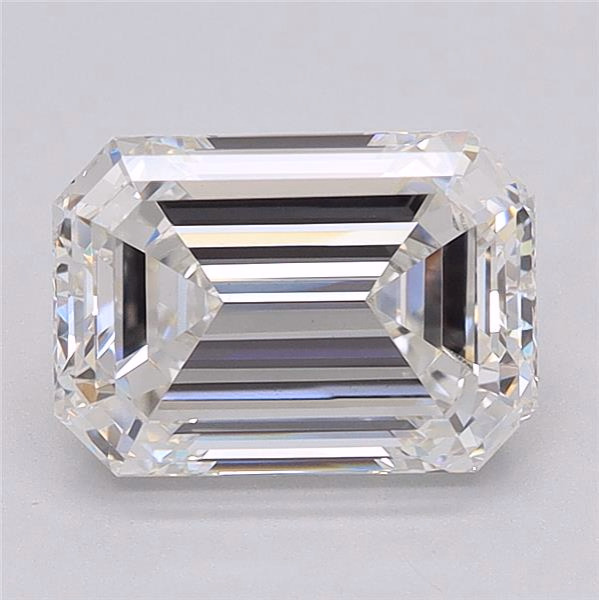 Video
- 1.86 CT EmeraldE Color · VVS2 Clarity$1,097
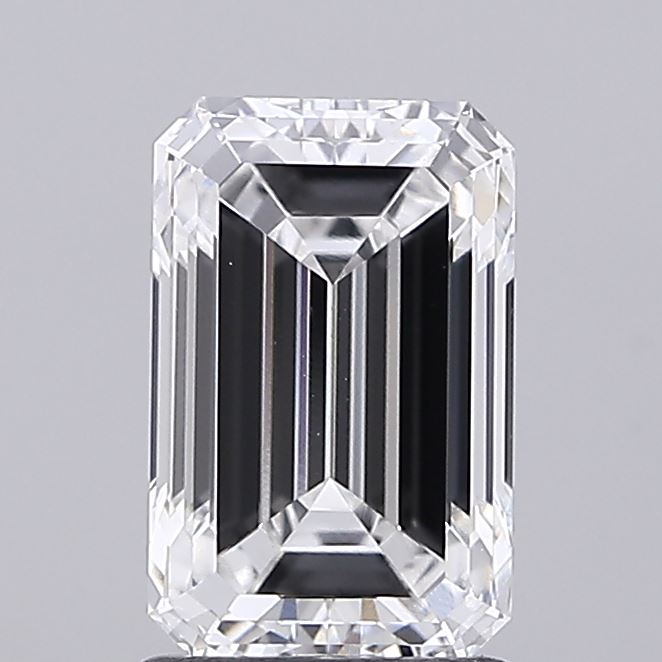 Video
- 3.18 CT EmeraldF Color · VVS2 Clarity$1,797
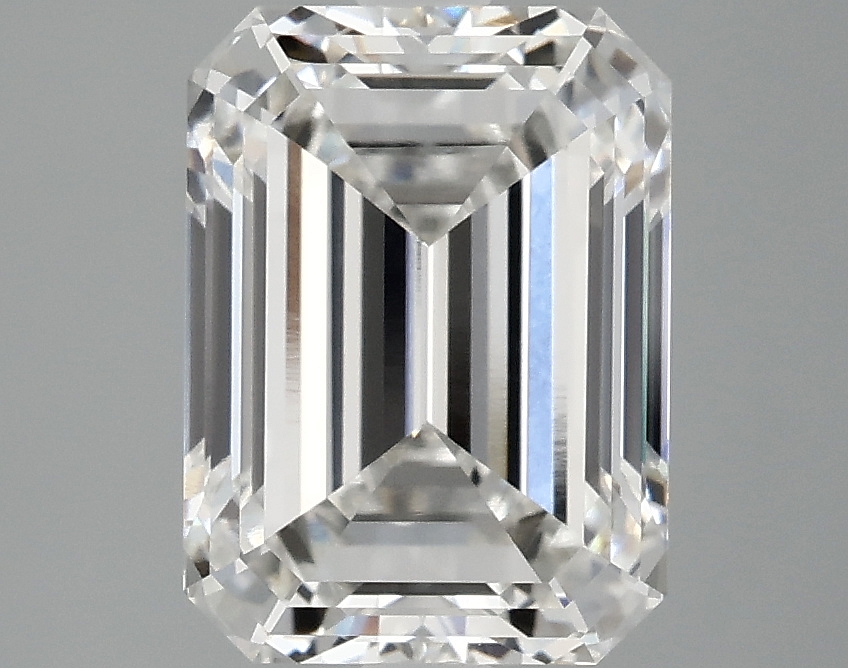 Video
- 5.51 CT EmeraldF Color · VVS2 Clarity$3,113
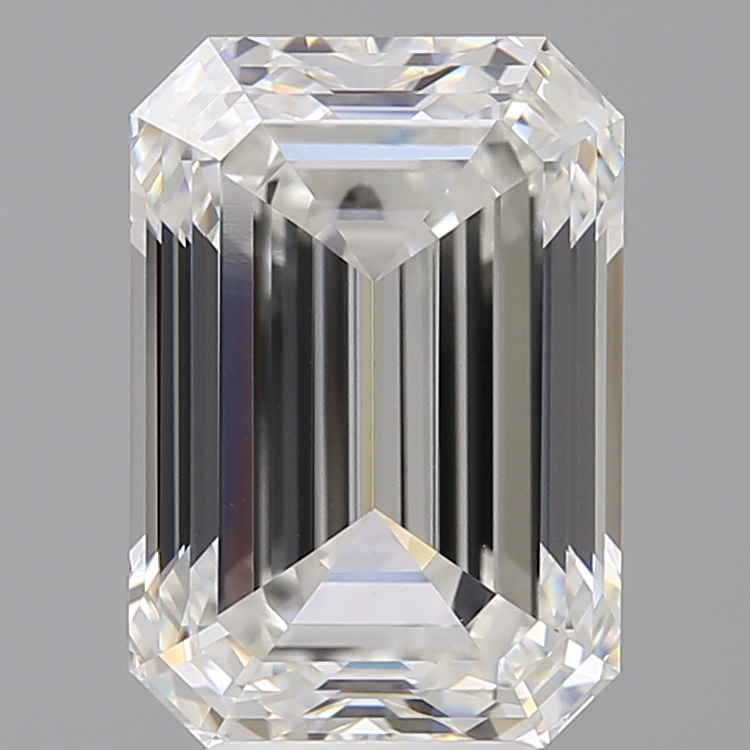 Video
- 3.99 CT EmeraldF Color · VVS2 Clarity$2,254
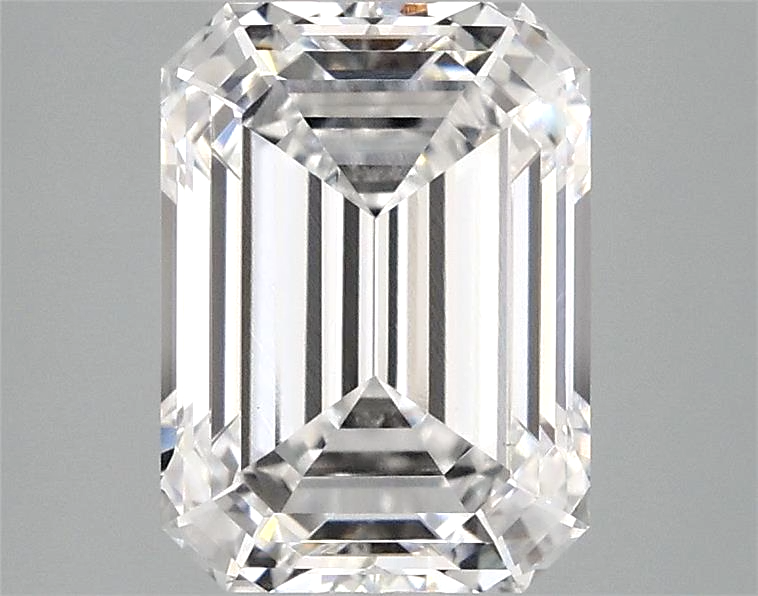 Video
Showing 28 of 1,142
The Emerald Guide
Choosing an Emerald Diamond
Carat
Length to width
Most popular: 1.40–1.50. Lower ratios look fuller; higher ratios look like a longer rectangle.
Certified Lab-Grown
About Emerald Cut Lab-Grown Diamonds
An emerald cut is made with rows of facets that follow its outline. Instead of a dense pattern of tiny flashes, these facets create wider bands of light and contrast.
The large central table and open facet pattern make the interior of the diamond relatively easy to see. When selecting a loose emerald cut diamond, pay particular attention to visible inclusions, the balance of its corners and the brightness of its central area.
When viewing an emerald cut face-up, look for areas that appear unusually transparent, sometimes described as windowing. Compare the diamond from several angles to distinguish persistent transparency from normal changes in reflections as the stone moves.
Also compare: Asscher Cut Lab-Grown Diamonds, Radiant Cut Lab-Grown Diamonds
Emerald Cut Diamond FAQs
Do emerald cut diamonds sparkle?
Yes. They produce broader flashes and a different pattern of contrast than brilliant-cut diamonds.
What clarity is best for an emerald cut?
VS1 is a practical starting point if you want a visually clean stone, but it is not mandatory. Inspect the location and visibility of inclusions.
What is a good emerald cut ratio?
A ratio around 1.40–1.50 creates an elongated rectangle, while lower ratios produce a fuller shape. Choose by appearance rather than treating a ratio as a quality grade.
What is windowing in an emerald cut?
Windowing is an area where light passes through the diamond instead of returning toward the viewer. A conspicuous transparent area can detract from the appearance.
How does an emerald cut differ from a radiant cut?
Both may have clipped corners, but emerald cuts use step facets while radiant cuts use brilliant-style faceting.
How do I compare emerald diamonds of the same carat weight?
Compare length and width in millimeters, the visible inclusion pattern and how the facets brighten as the stone moves.