Certified Lab-Grown
Heart Shaped Lab-Grown Diamonds
Heart shaped lab-grown diamonds combine brilliant-style faceting with two rounded lobes, a defined central cleft and a tapered point. The precision of the outline plays an important role in the diamond’s appearance. Balanced lobes, symmetry and clearly defined proportions help distinguish a well-shaped heart diamond.
- GIA & IGI Certified
- Complimentary Shipping
- 30-Day Returns
- Lifetime Warranty
211 Diamonds
- 2.55 CT HeartD Color · VS2 Clarity$1,466
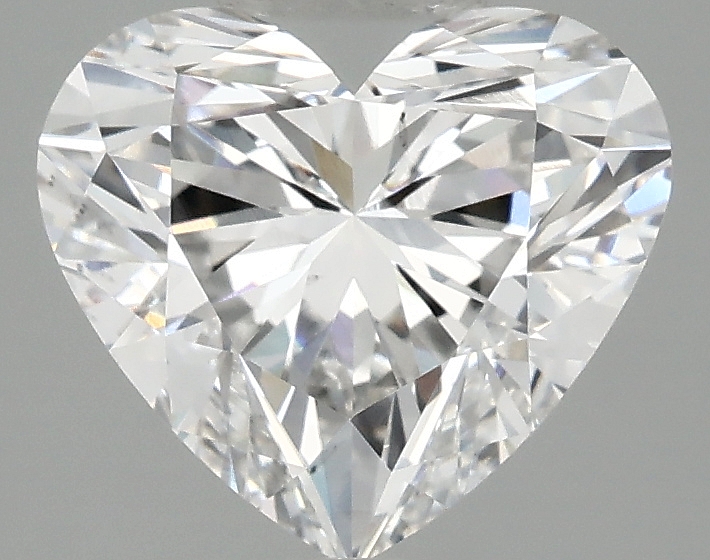 Video
- 2.35 CT HeartD Color · VS1 Clarity$1,398
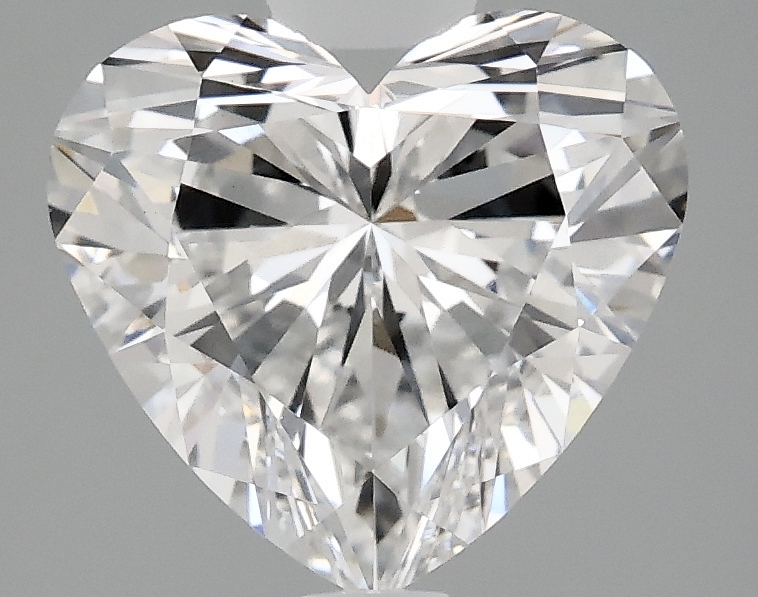 Video
- 2.56 CT HeartF Color · VS1 Clarity$1,395
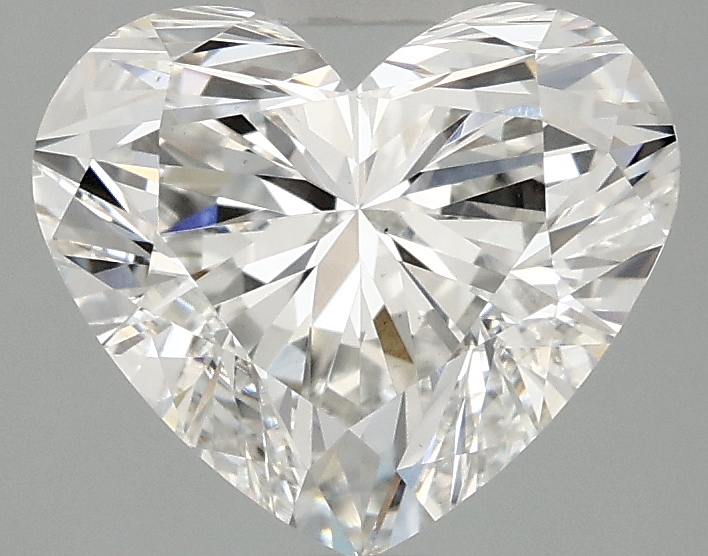 Video
- 2.08 CT HeartF Color · VVS1 Clarity$1,217
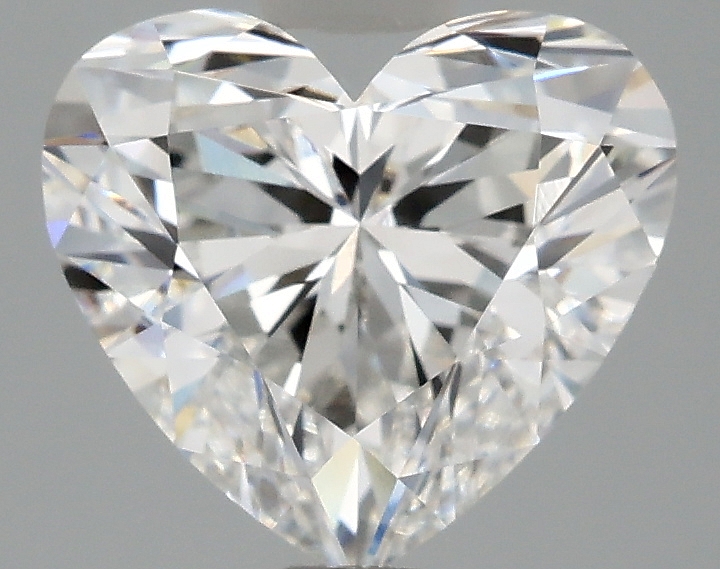 Video
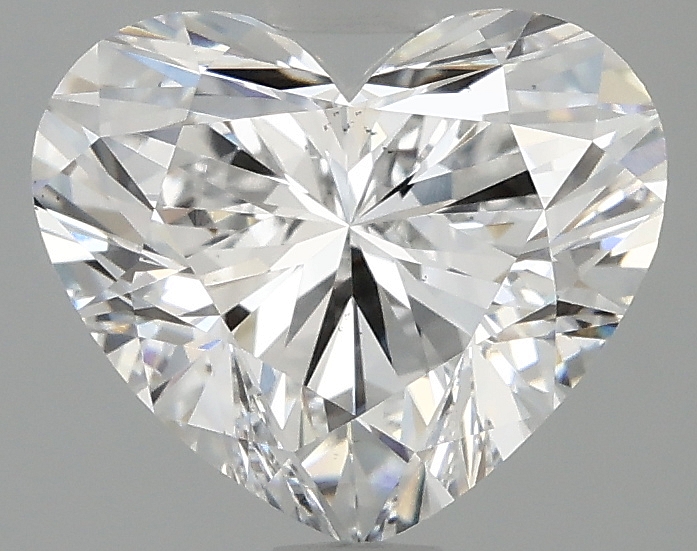
- 2.53 CT HeartD Color · VS2 Clarity$1,455
 Video
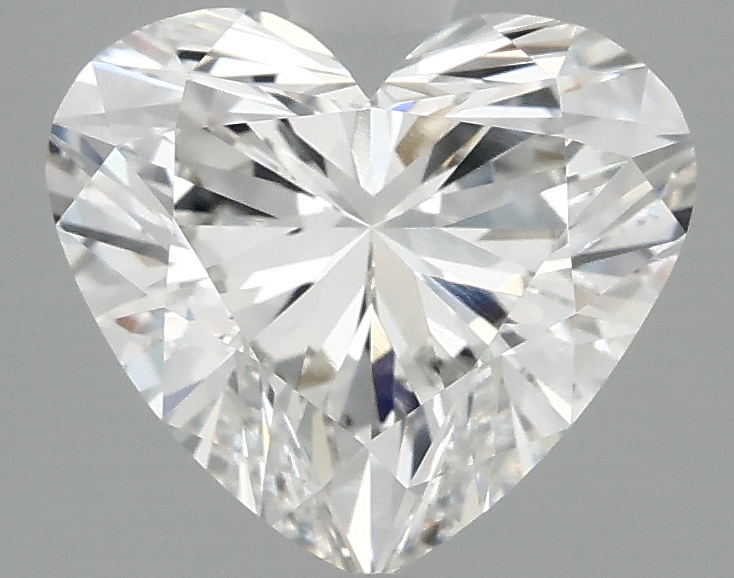
- 2.59 CT HeartF Color · VVS2 Clarity$1,463
 Video
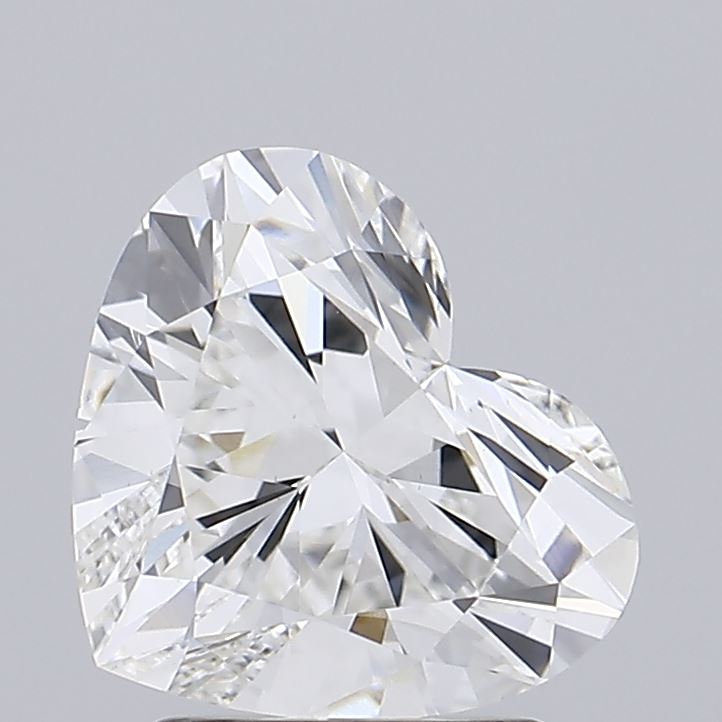
- 2.25 CT HeartG Color · VVS2 Clarity$1,364
 Video
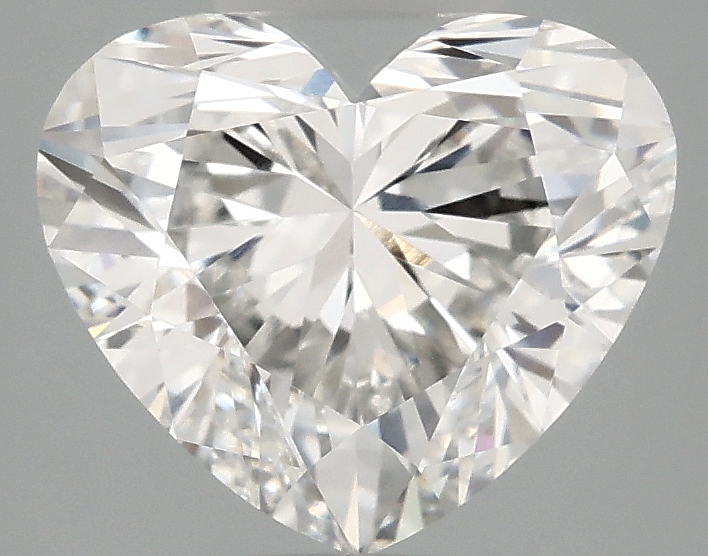
- 2.59 CT HeartF Color · VVS2 Clarity$1,463
 Video
- 2.42 CT HeartE Color · VS1 Clarity$1,379
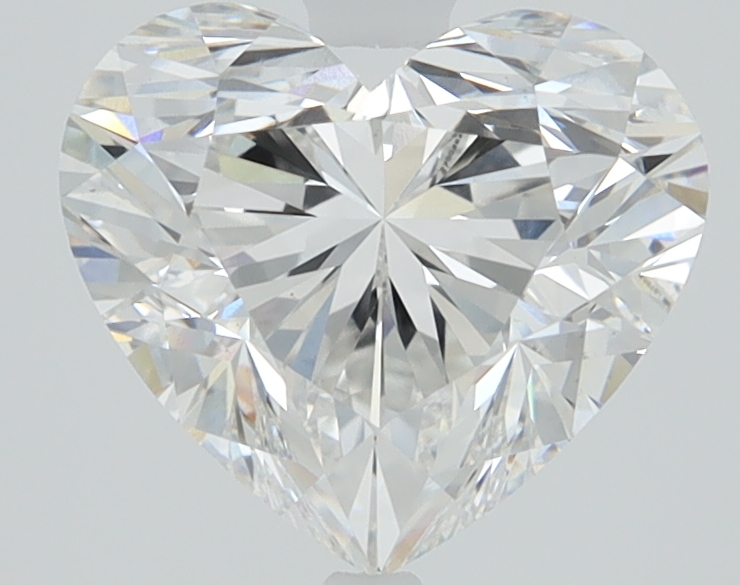 Video
- 2.56 CT HeartD Color · VS2 Clarity$1,472
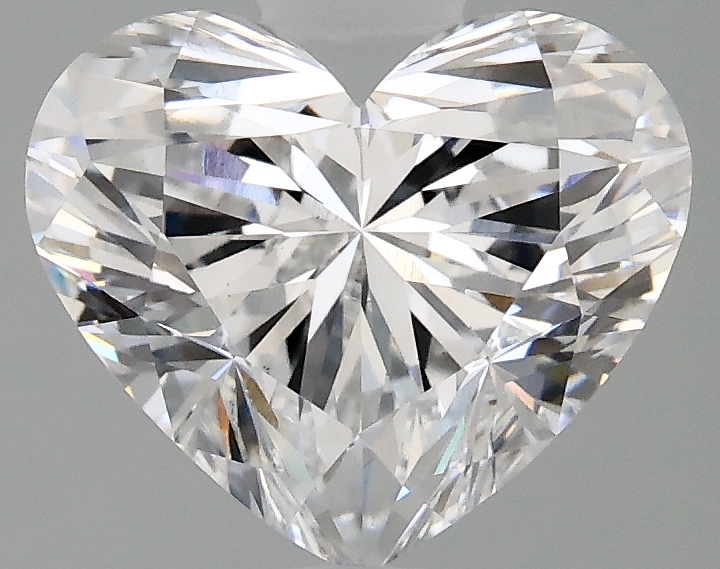 Video
- 2.51 CT HeartE Color · VVS1 Clarity$1,531
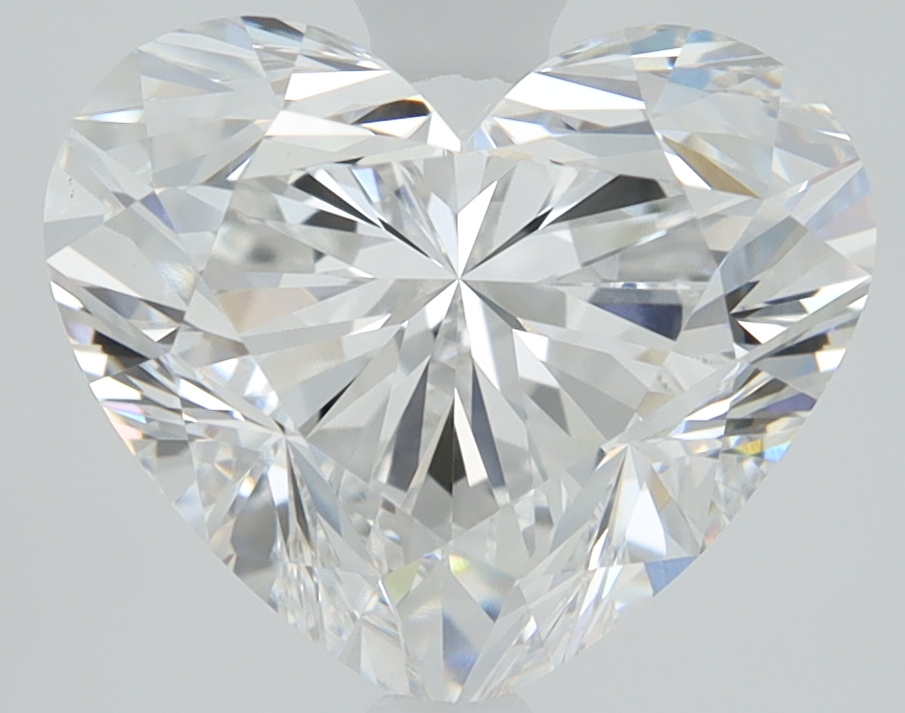 Video
- 2.58 CT HeartE Color · VVS1 Clarity$1,574
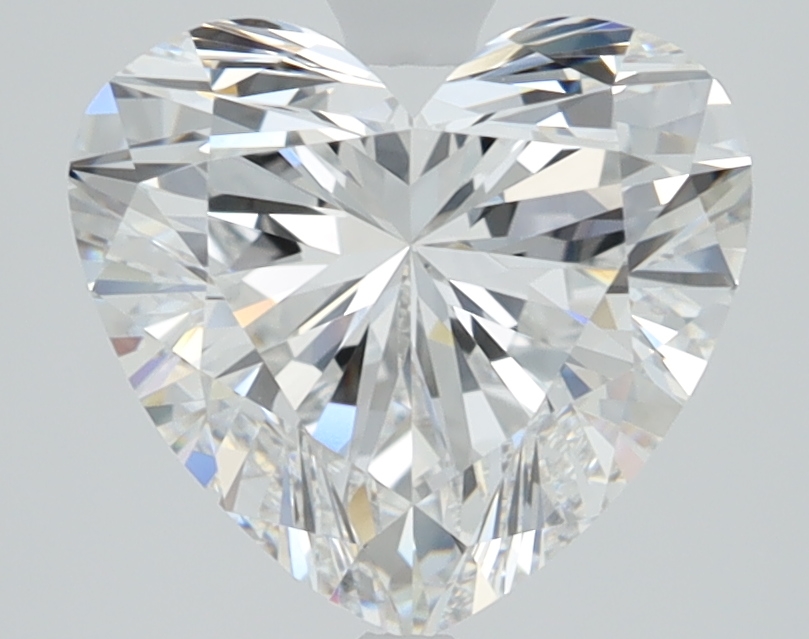 Video
- 2.08 CT HeartE Color · VVS1 Clarity$1,269
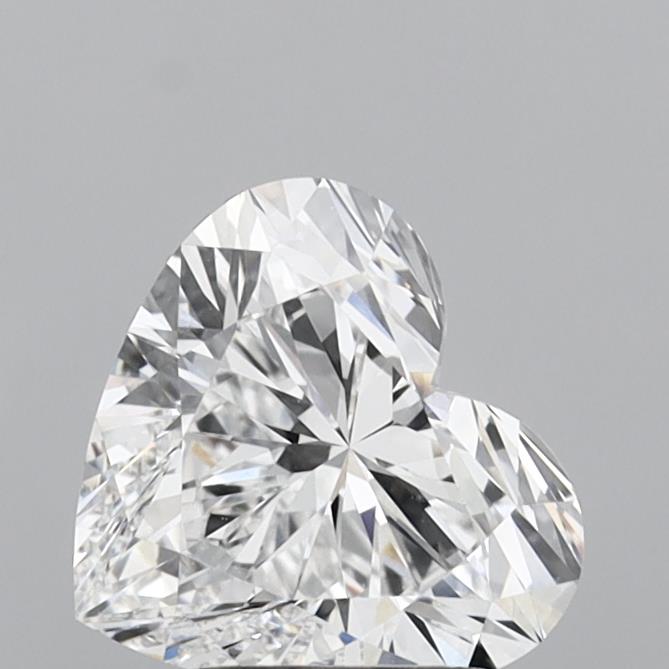 Video
- 2.9 CT HeartE Color · VVS1 Clarity$1,769
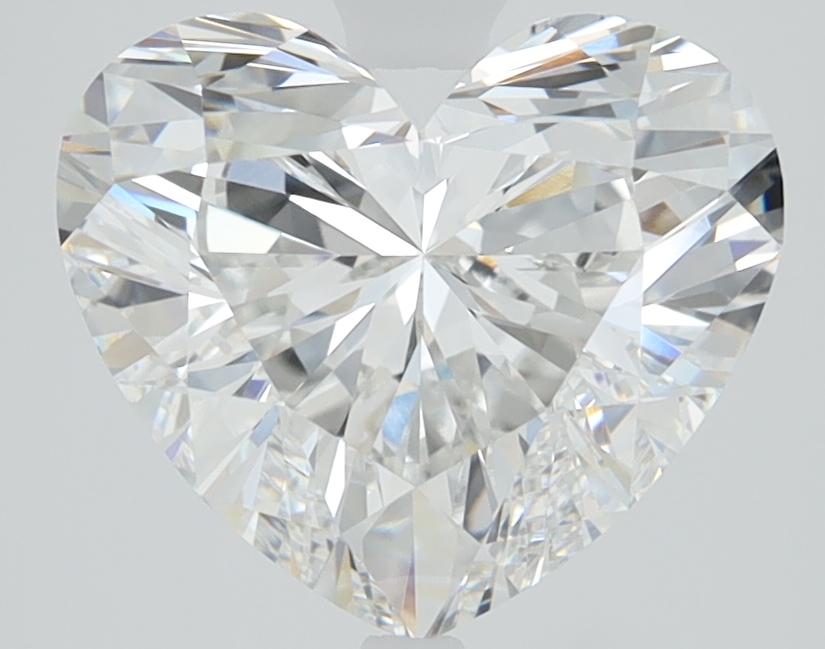 Video
- 2.55 CT HeartE Color · VVS1 Clarity$1,556
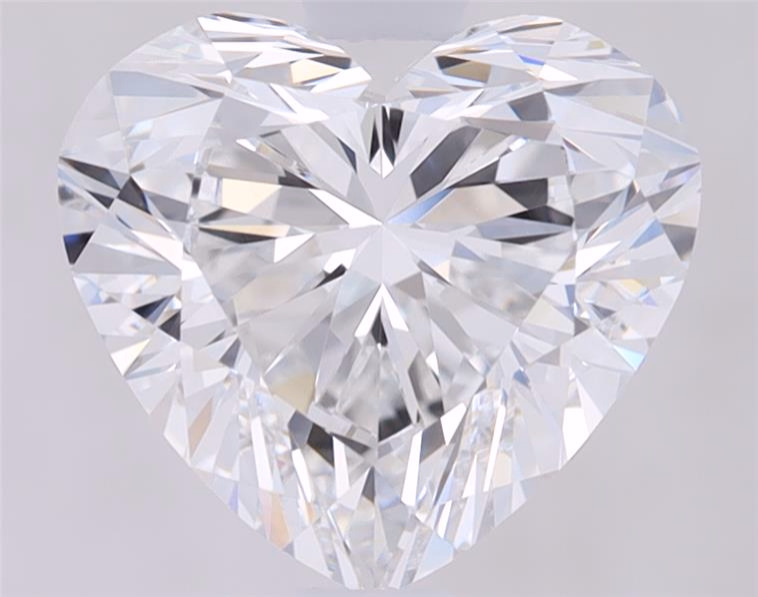 Video
- 2.21 CT HeartE Color · VVS2 Clarity$1,304
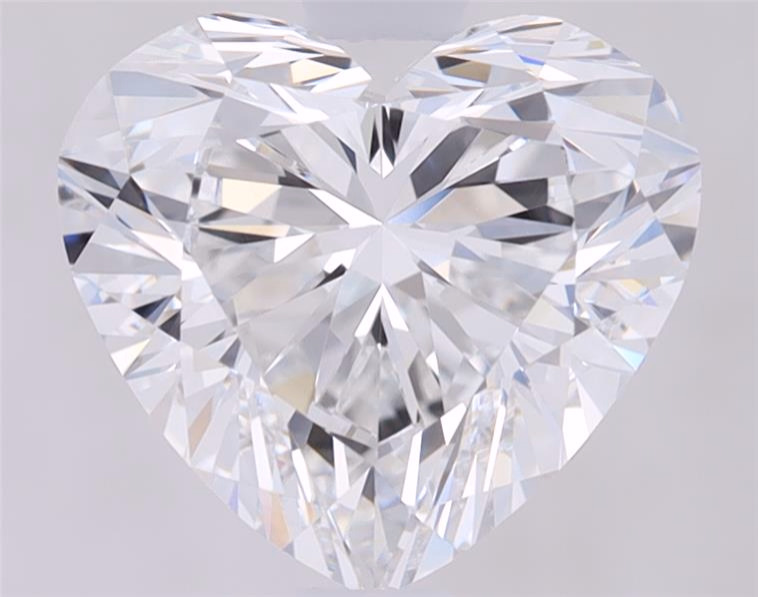 Video
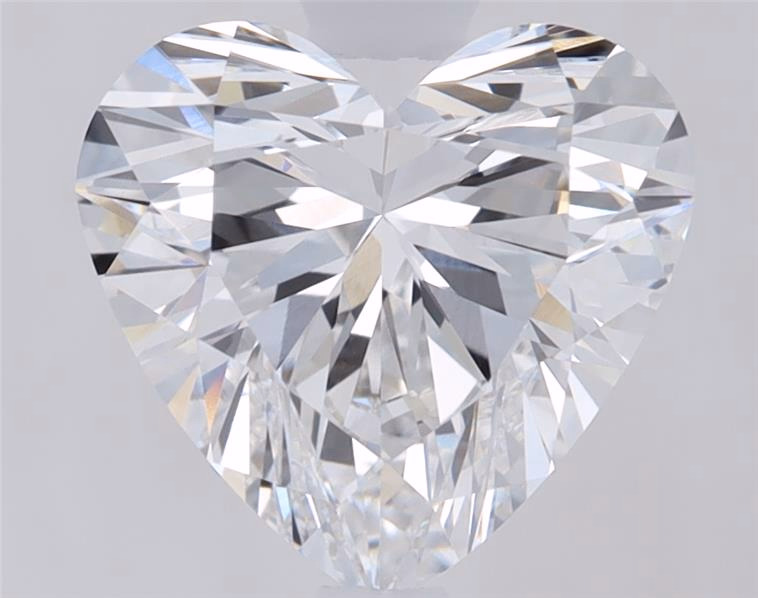
- 2.95 CT HeartE Color · VVS1 Clarity$1,800
 Video
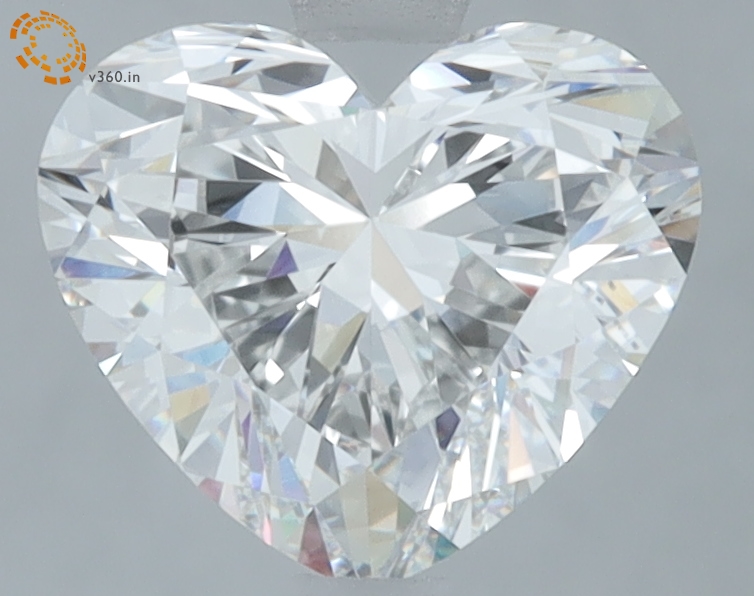
- 2.21 CT HeartE Color · VVS2 Clarity · Excellent Cut$1,304
 360°
- 2.51 CT HeartF Color · VVS1 Clarity$1,468Video
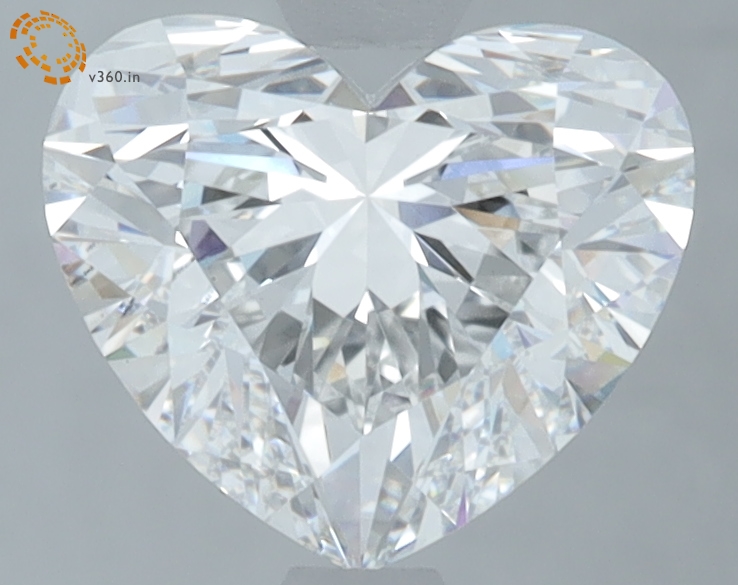
- 2.22 CT HeartE Color · VS1 Clarity · Excellent Cut$1,265
 360°
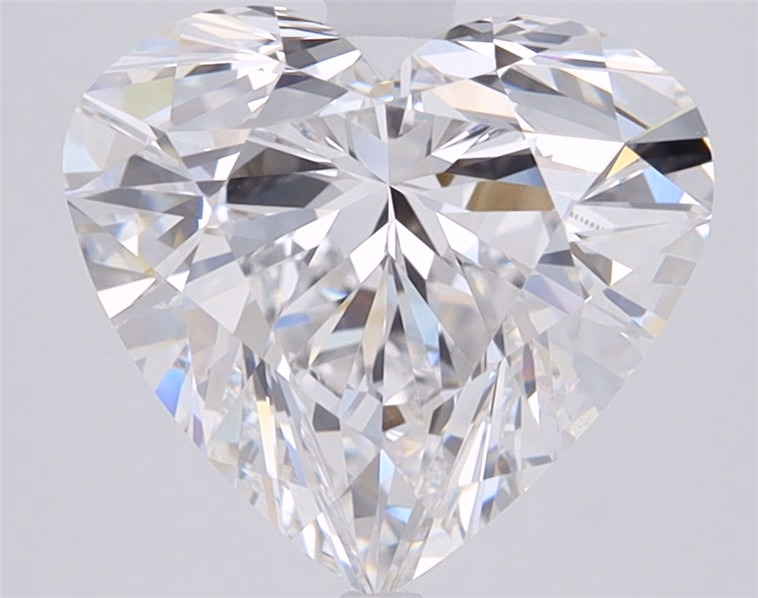
- 2.51 CT HeartD Color · VVS1 Clarity$1,800
 Video
- 2.57 CT HeartE Color · VS2 Clarity$1,414
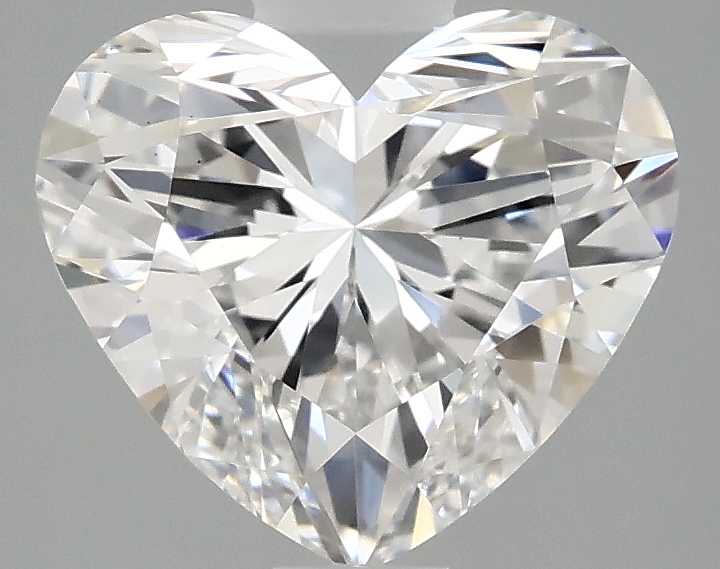 Video
- 2.51 CT HeartD Color · VVS1 Clarity$1,800
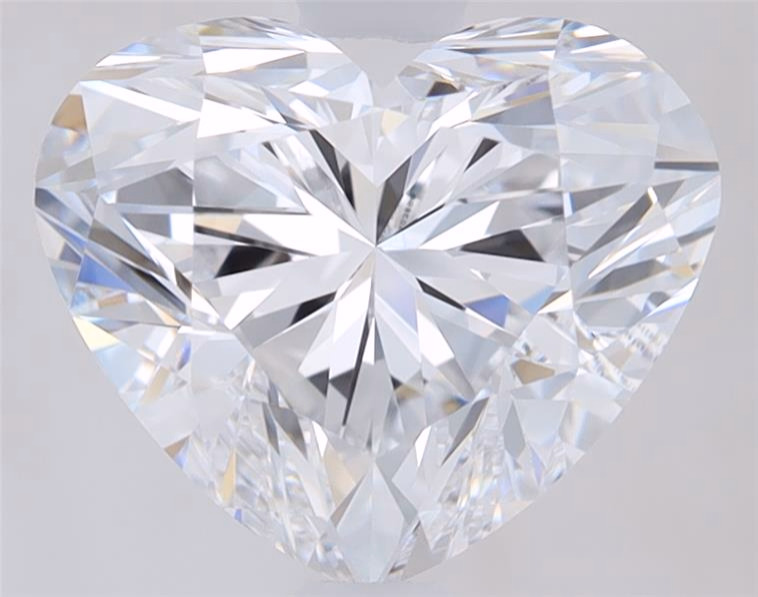 Video
- 2.37 CT HeartE Color · VVS2 Clarity · Excellent Cut$1,398
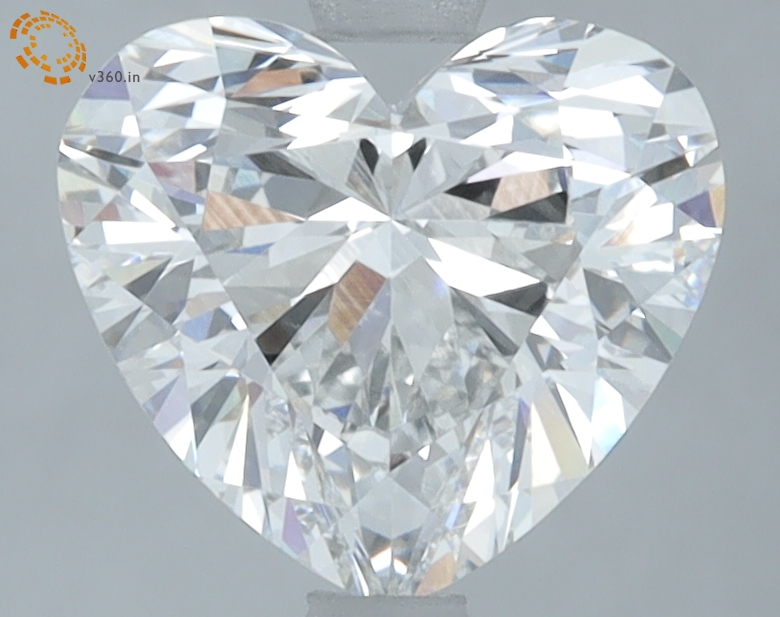 360°
- 2.5 CT HeartD Color · VVS1 Clarity$1,793
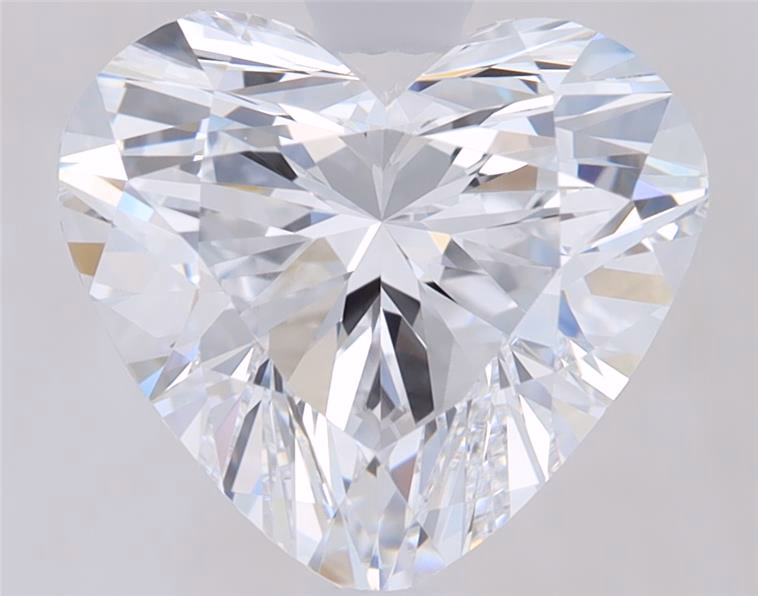 Video
- 2.59 CT HeartE Color · VS2 Clarity$1,425
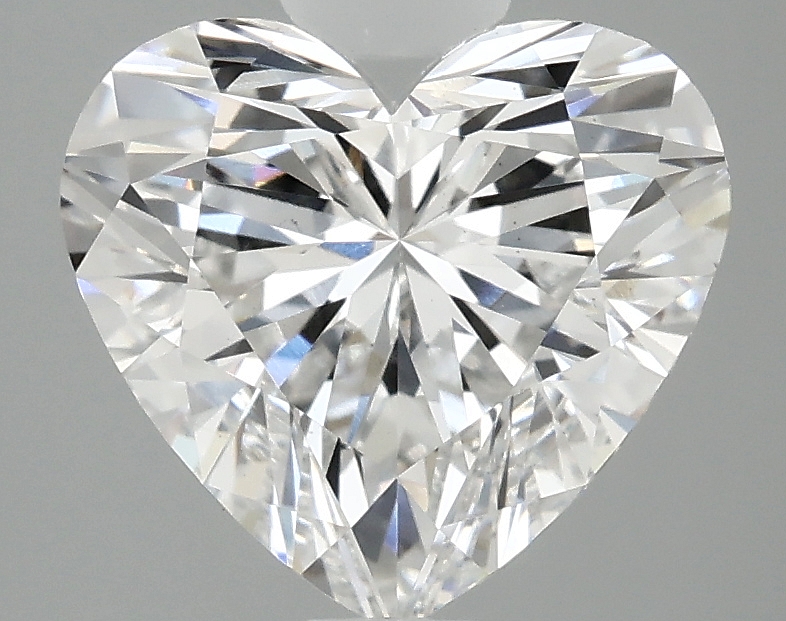 Video
- 2.88 CT HeartD Color · VVS1 Clarity$1,829
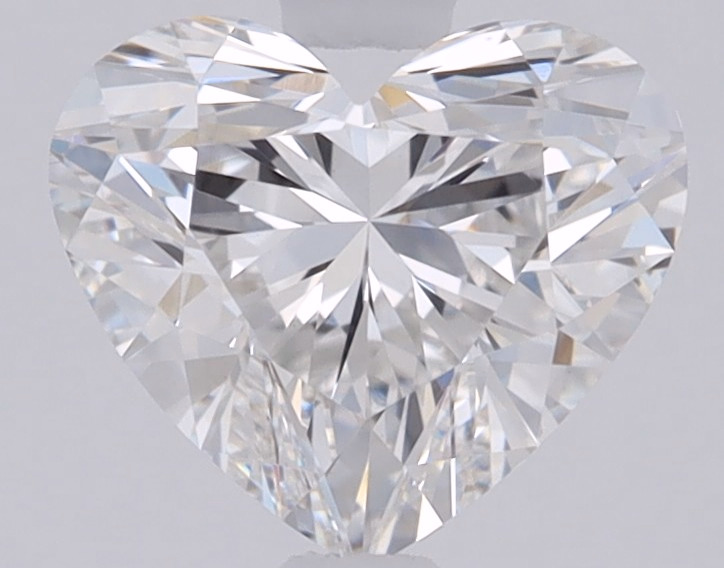 Video
- 2.81 CT HeartE Color · VVS2 Clarity · Excellent Cut$1,658
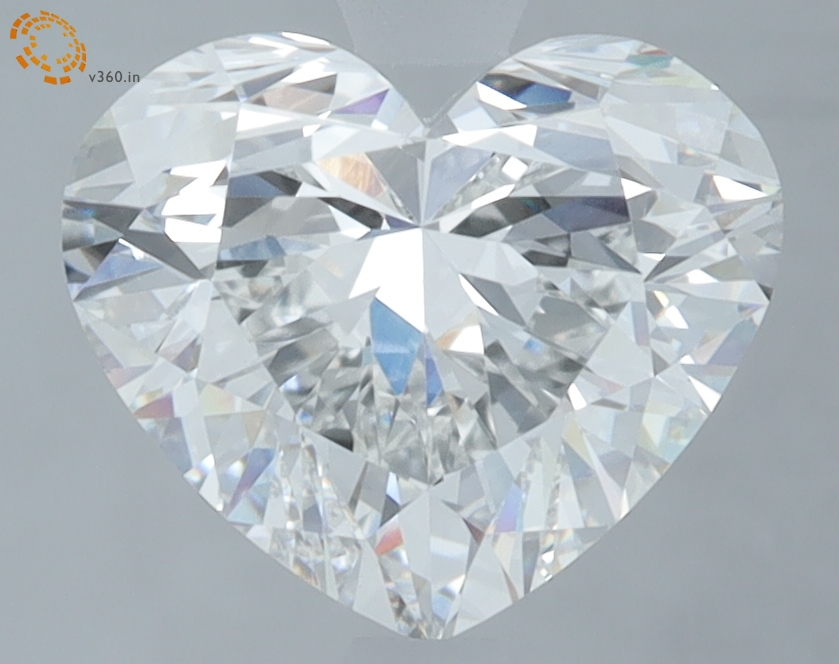 360°
Showing 28 of 211
Certified Lab-Grown
About Heart Shaped Lab-Grown Diamonds
The shape of a heart diamond depends on the relationship between its lobes, cleft, sides and tip. A pronounced cleft and evenly curved lobes help distinguish a heart from other rounded fancy shapes.
The outline can be harder to distinguish in very small stones. Compare the visible dimensions and the clarity of the heart shape itself, not simply its carat weight. Check the point and cleft area when inspecting the diamond.
Also compare: Pear Shaped Lab-Grown Diamonds, Round Lab-Grown Diamonds
Heart Shaped Diamond FAQs
What makes a well-shaped heart diamond?
Look for balanced lobes, a clearly defined cleft and a centered point.
What is the best ratio for a heart diamond?
A ratio close to 1.00 produces approximately equal length and width. Broader or longer hearts are also available in the market.
Does carat weight affect how clearly a heart shape is visible?
Yes. Very small hearts can be difficult to recognize, although the cutting design also affects the visibility of the outline.
How many facets does a heart diamond have?
Facet counts differ according to the brilliant-style cutting pattern used.
Can heart diamonds have a bow tie?
Yes. Some show darker central contrast; compare the pattern as the diamond moves.
How can a heart diamond's point be protected?
A well-designed prong or bezel setting can protect the tip while preserving the recognizable outline.