Certified Lab-Grown
Radiant Cut Lab-Grown Diamonds
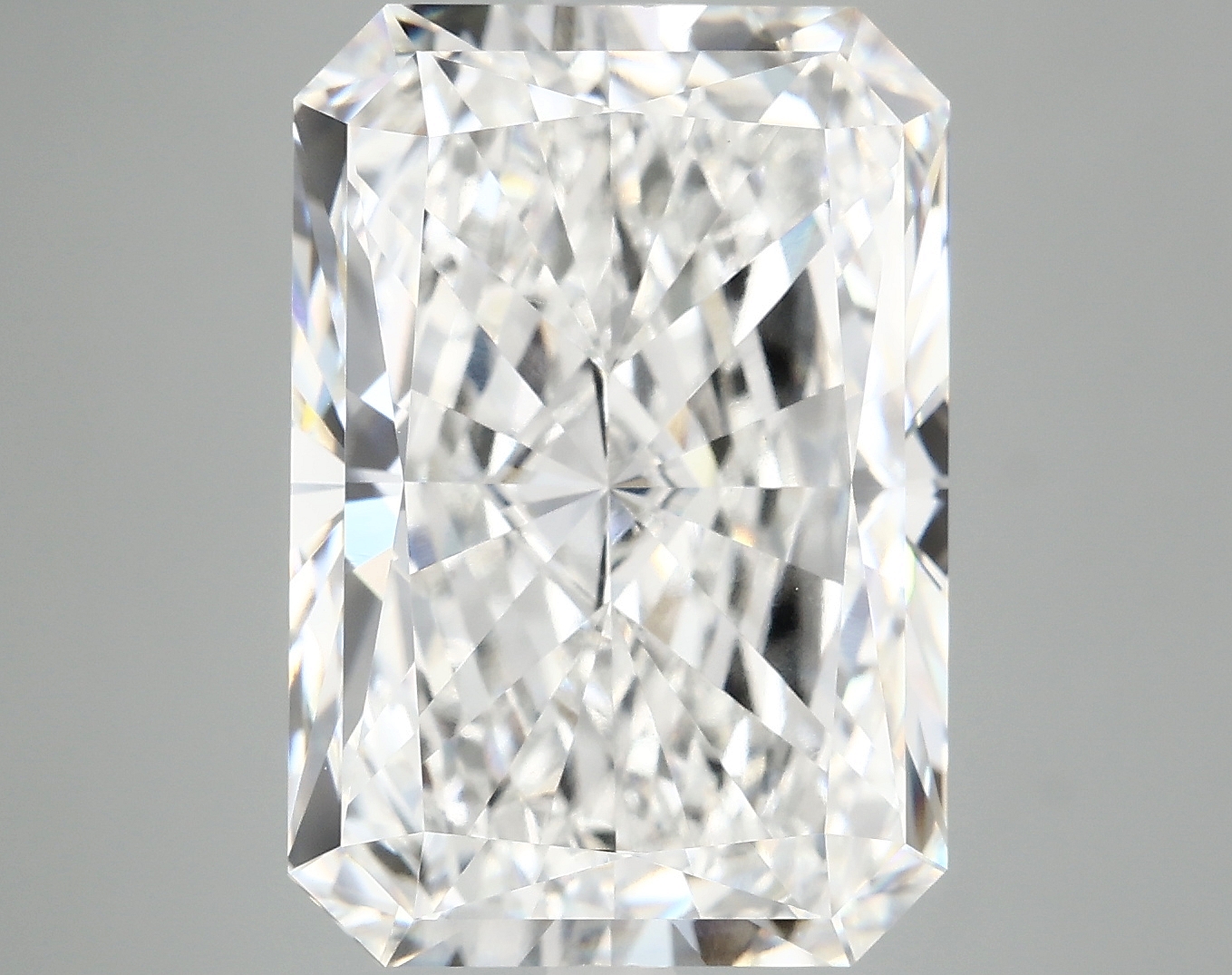
Radiant cut lab-grown diamonds combine defined edges and clipped corners with brilliant-style faceting. Square and elongated rectangular outlines offer distinctly different proportions and sparkle patterns. Comparing dimensions and light performance helps distinguish diamonds of similar carat weight.
- GIA & IGI Certified
- Complimentary Shipping
- 30-Day Returns
- Lifetime Warranty
23 Diamonds
- 11.21 CT RadiantG Color · VS2 Clarity$5,605
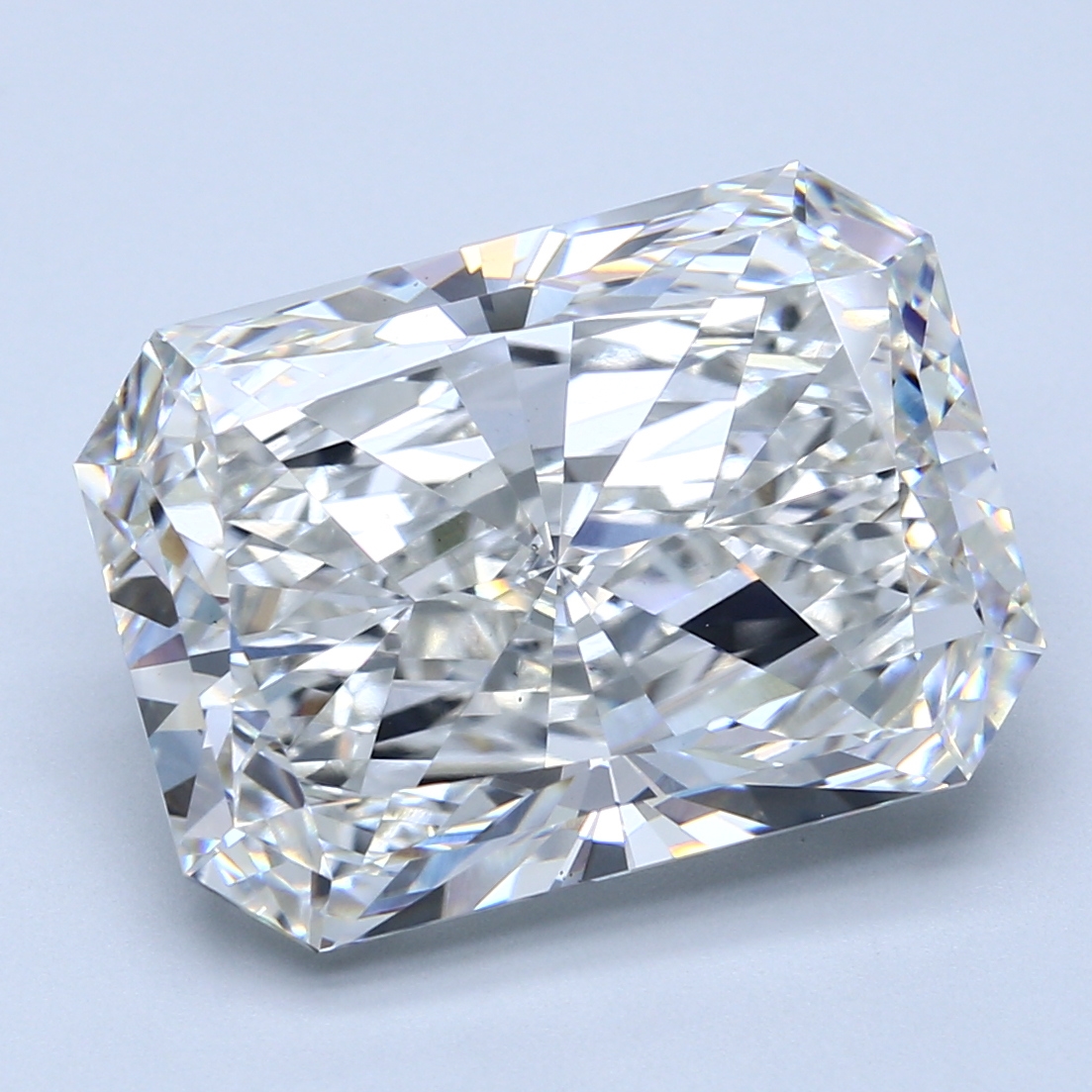 Video
- 11.08 CT RadiantF Color · VVS2 Clarity$6,260Video
- 10.08 CT RadiantE Color · VVS2 Clarity · Excellent Cut$5,947360°
- 10.59 CT RadiantE Color · VVS2 Clarity · Excellent Cut$6,248
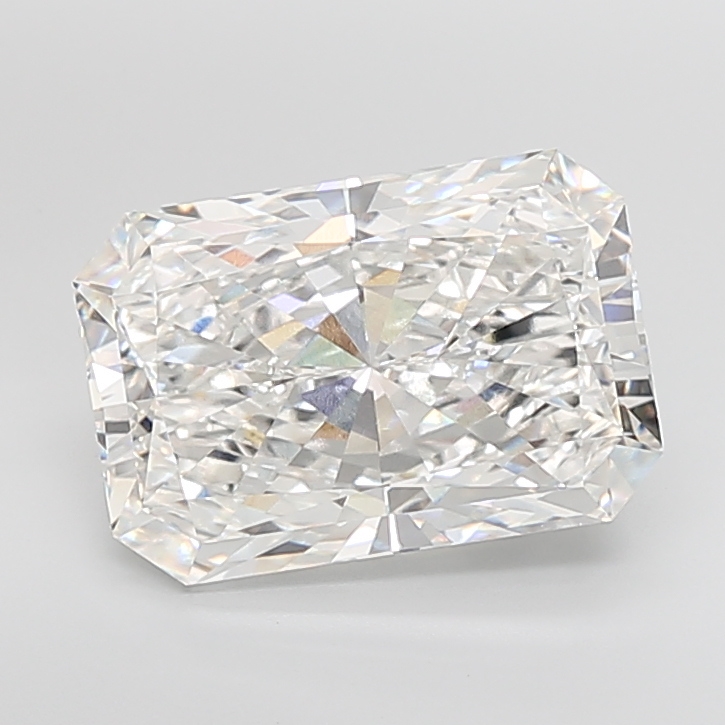 360°
- 10.09 CT RadiantE Color · VVS2 Clarity · Excellent Cut$5,953
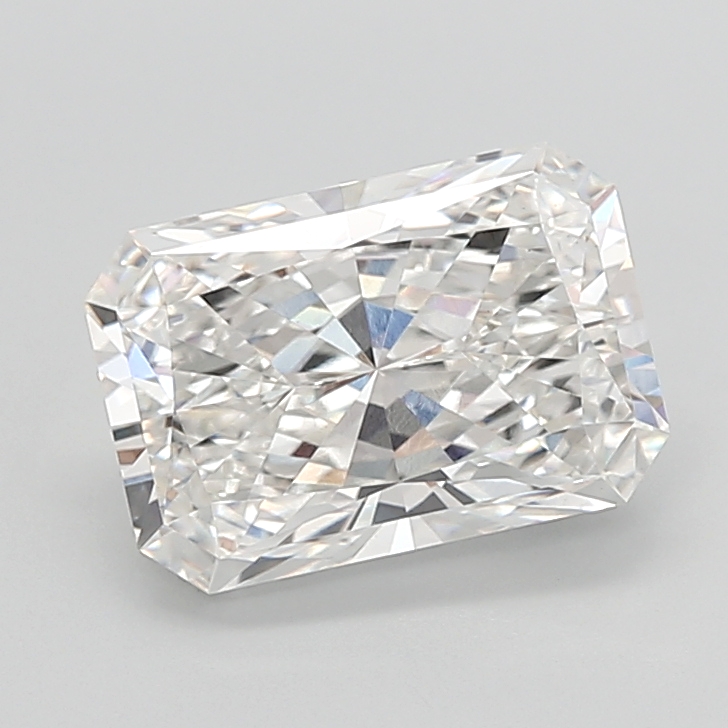 360°
- 10.53 CT RadiantE Color · VS1 Clarity · Excellent Cut$6,002
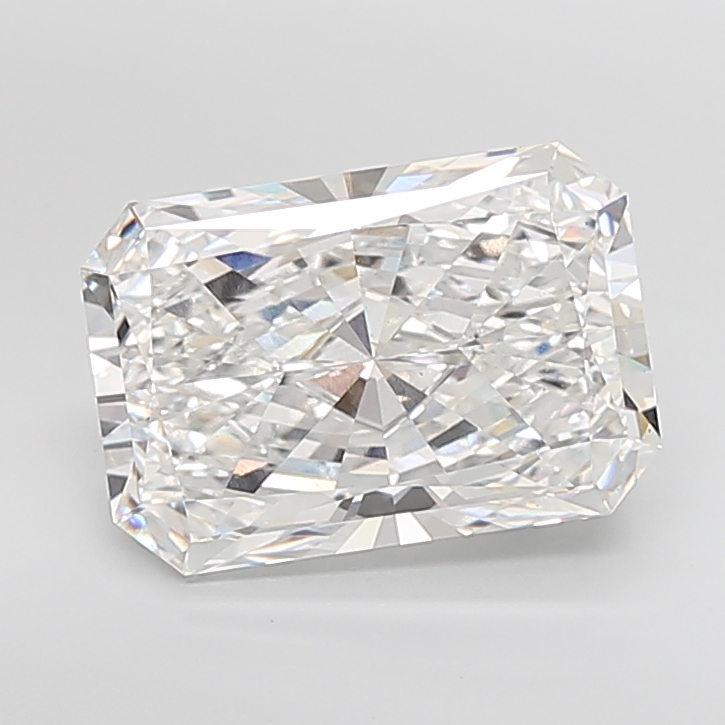 360°
- 8.12 CT RadiantF Color · VS1 Clarity$4,425
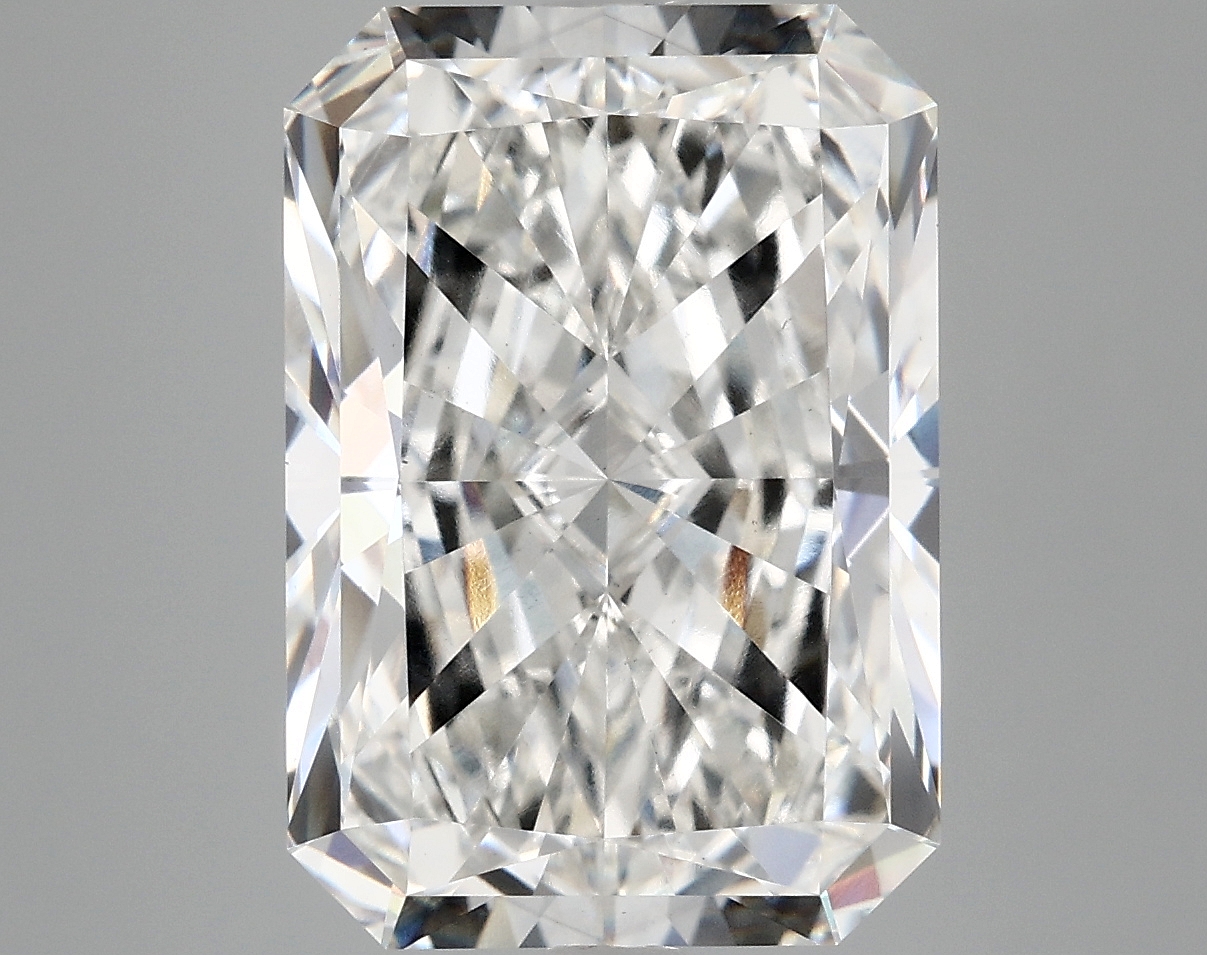 Video
- 8.27 CT RadiantF Color · VS1 Clarity$4,507
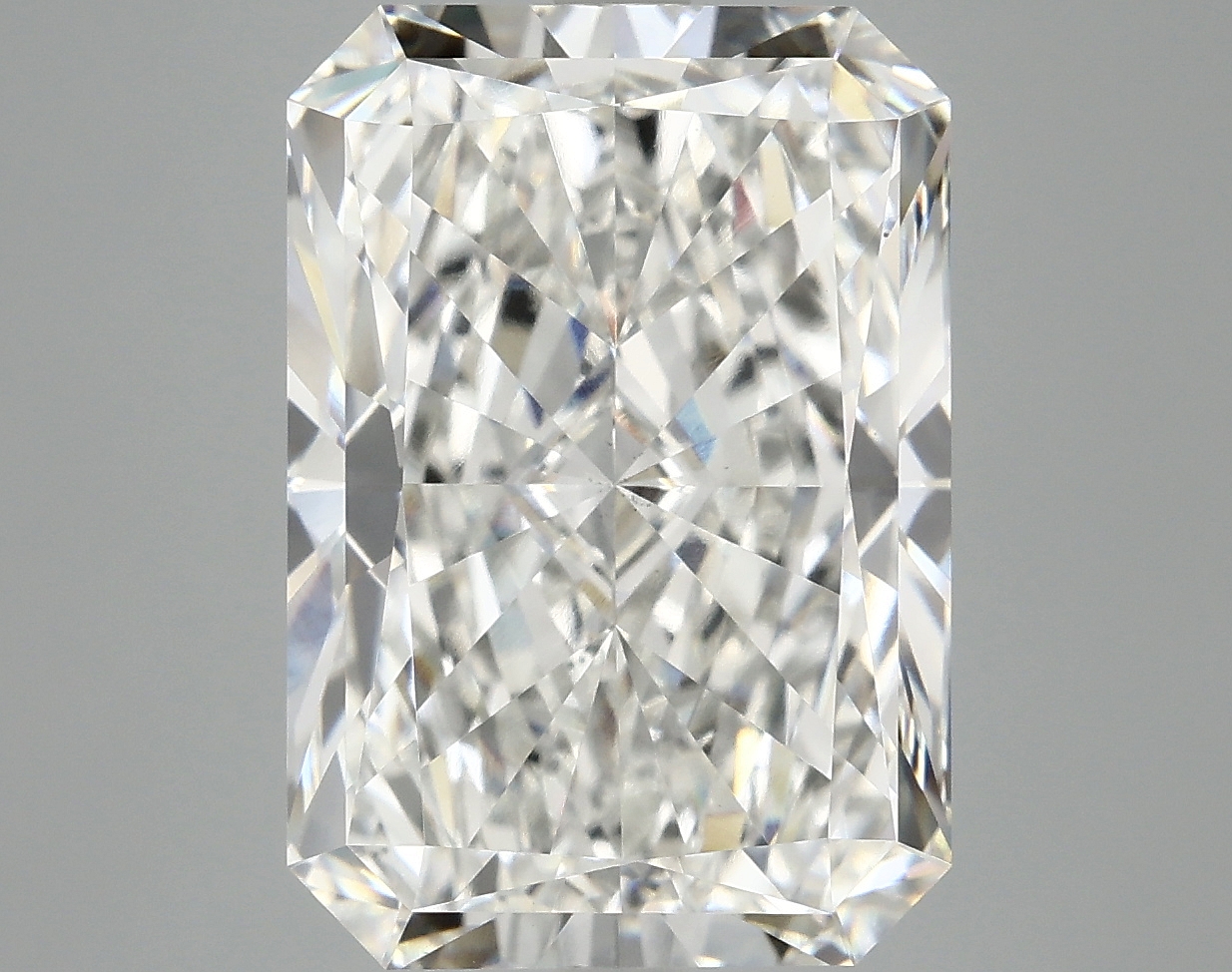 Video
- 8.19 CT RadiantE Color · VS2 Clarity$4,505
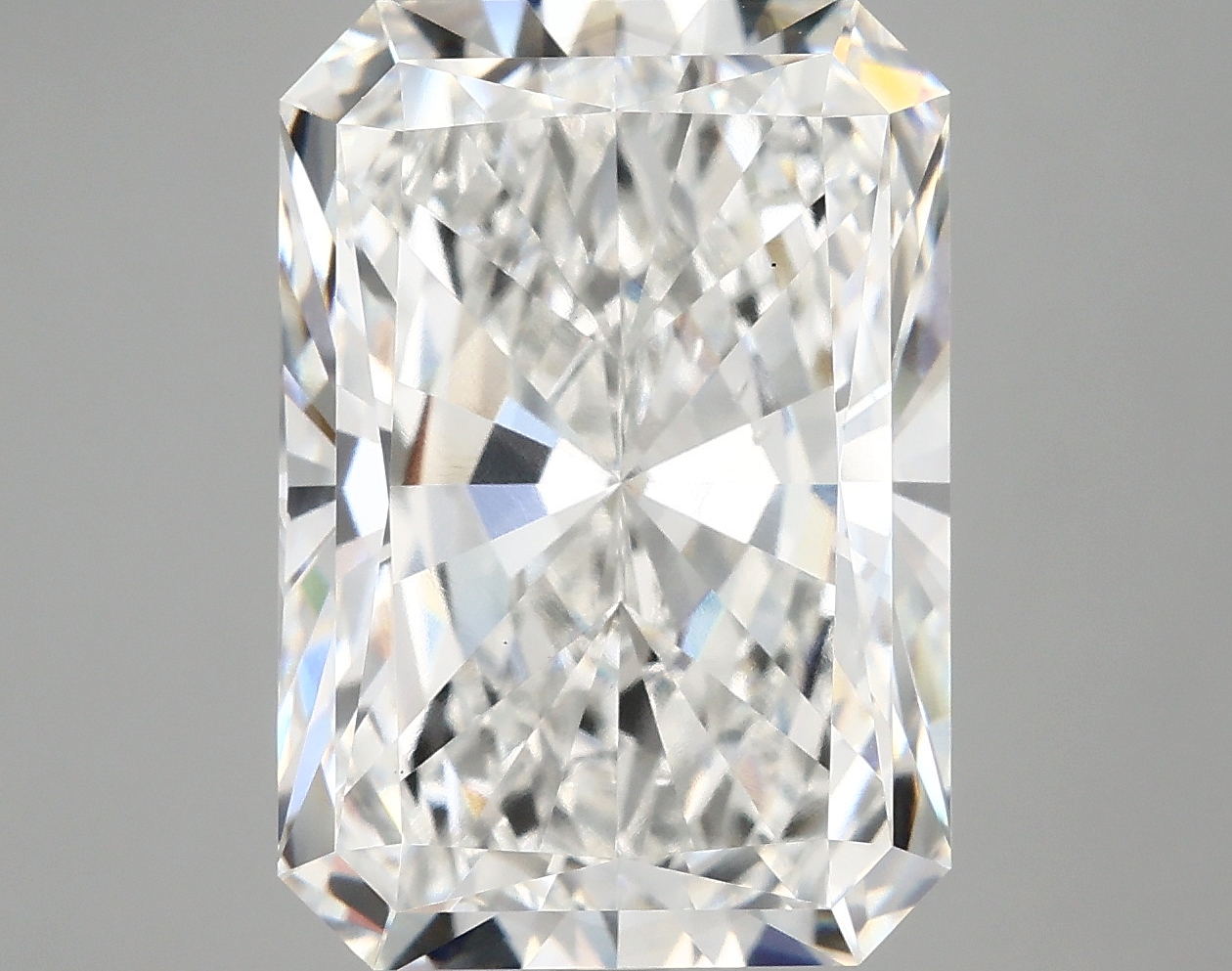 Video
- 8.08 CT RadiantE Color · VS1 Clarity$4,606
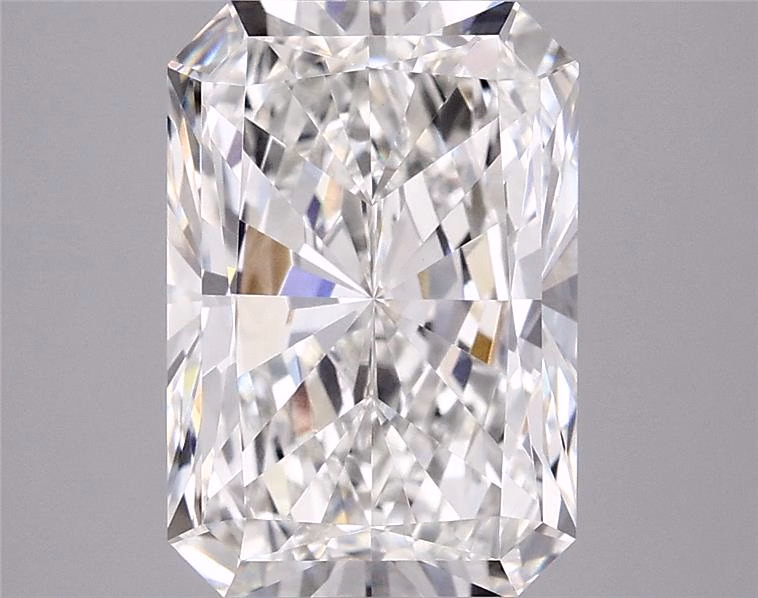 Video
- 8.2 CT RadiantE Color · VS1 Clarity$4,674
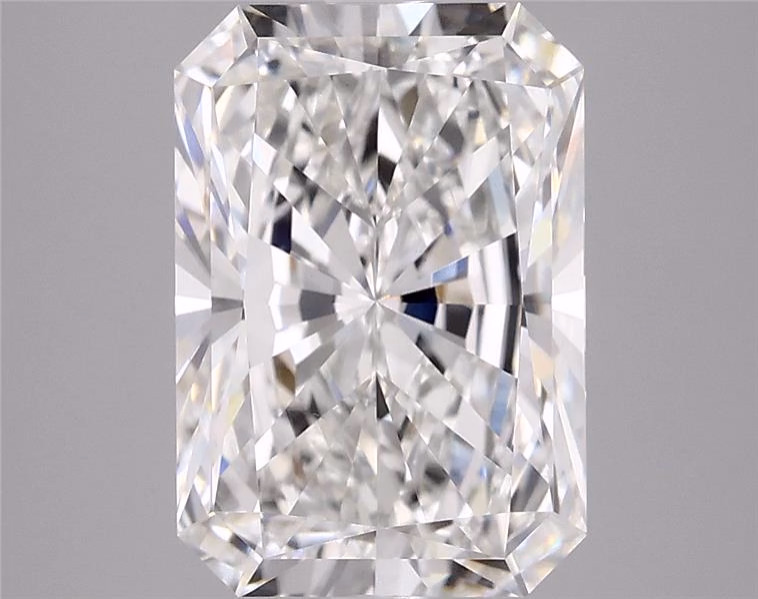 Video
- 9.65 CT RadiantF Color · VS1 Clarity$5,259
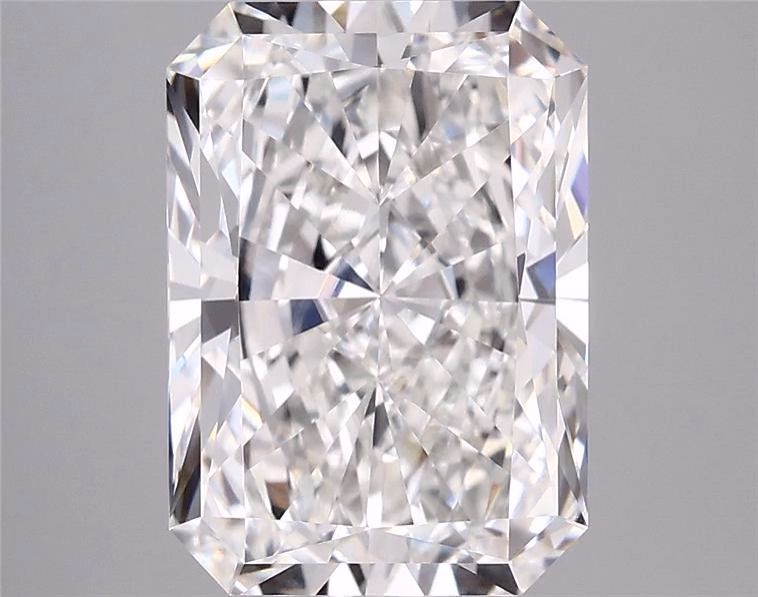 Video
- 8.21 CT RadiantF Color · VS2 Clarity$4,310
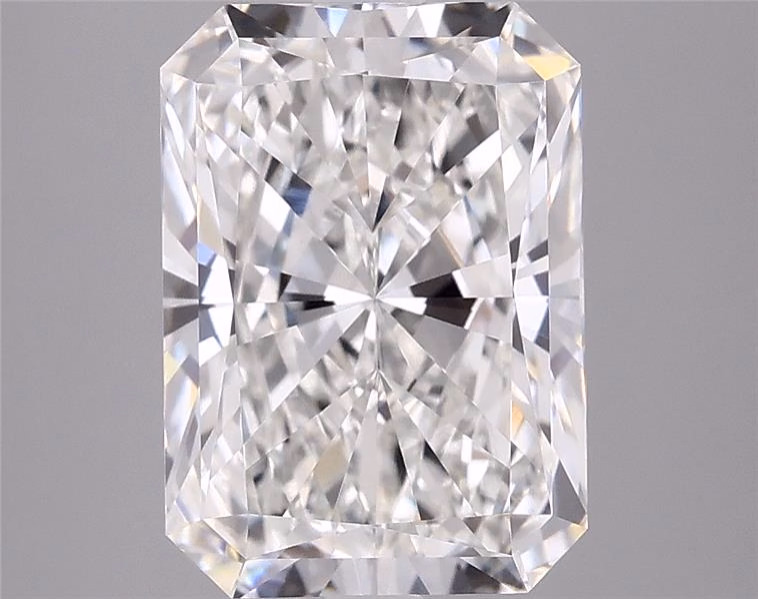 Video
- 9.44 CT RadiantF Color · VS1 Clarity$5,145
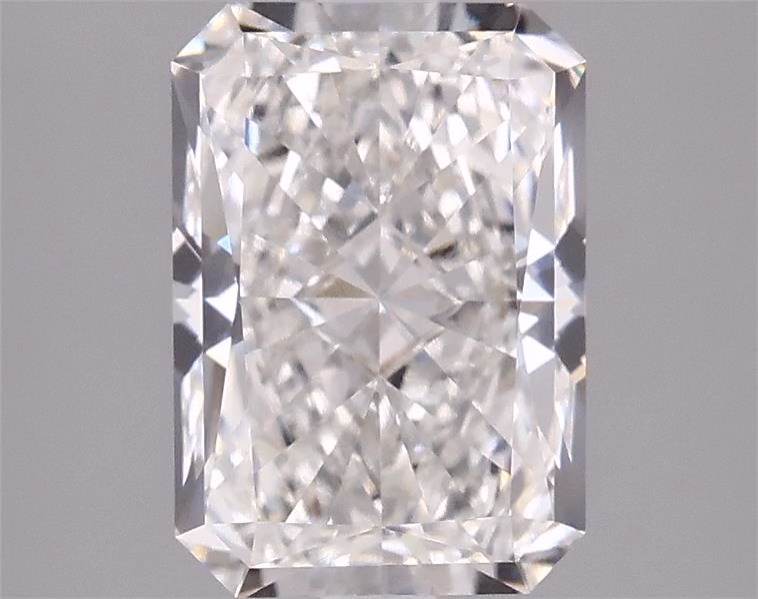 Video
- 9.61 CT RadiantE Color · VVS2 Clarity$5,670
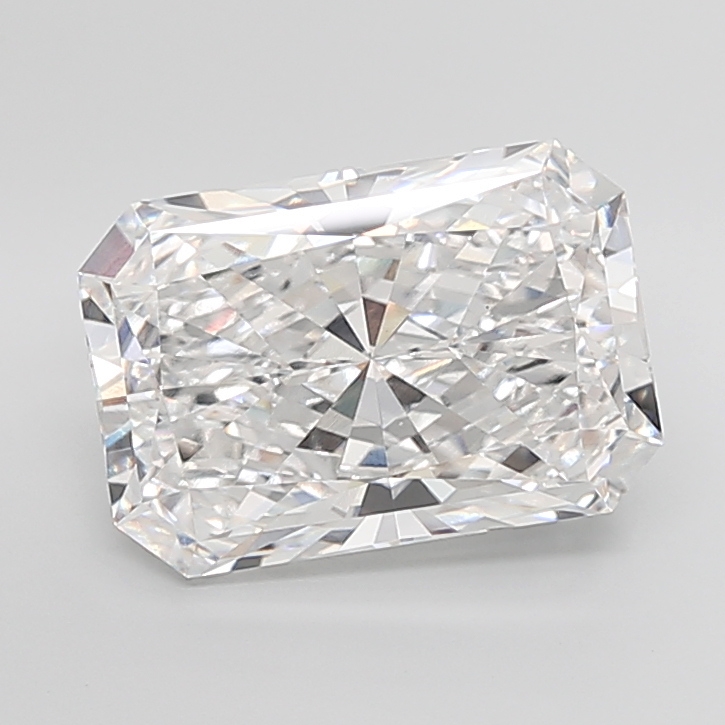 360°
- 8.07 CT RadiantE Color · VS1 Clarity · Excellent Cut$4,600
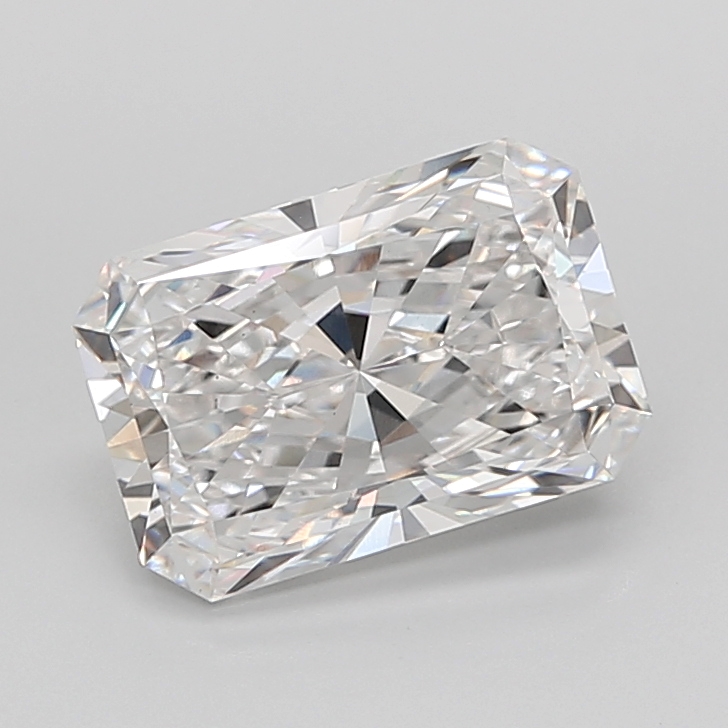 360°
- 10.07 CT RadiantE Color · VVS2 Clarity · Excellent Cut$5,941
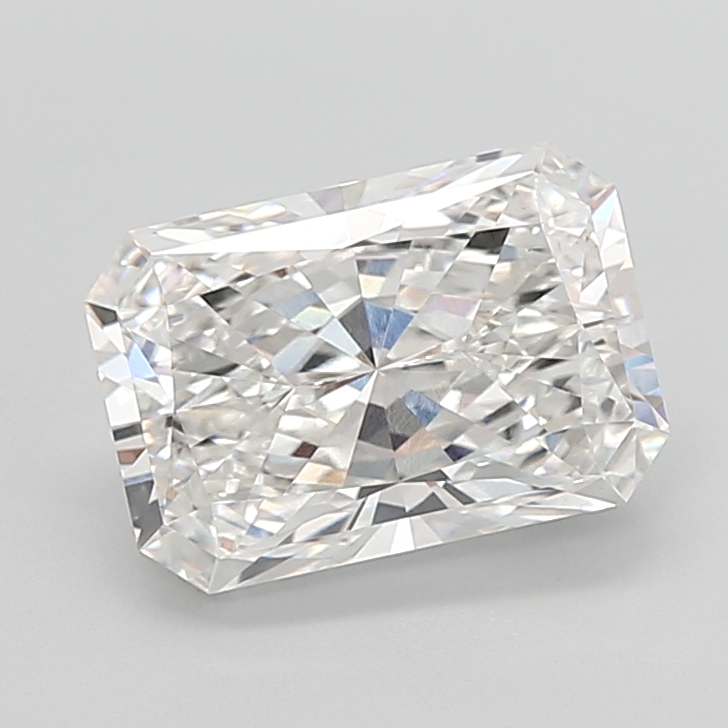 360°
- 10.59 CT RadiantE Color · VS1 Clarity$6,036
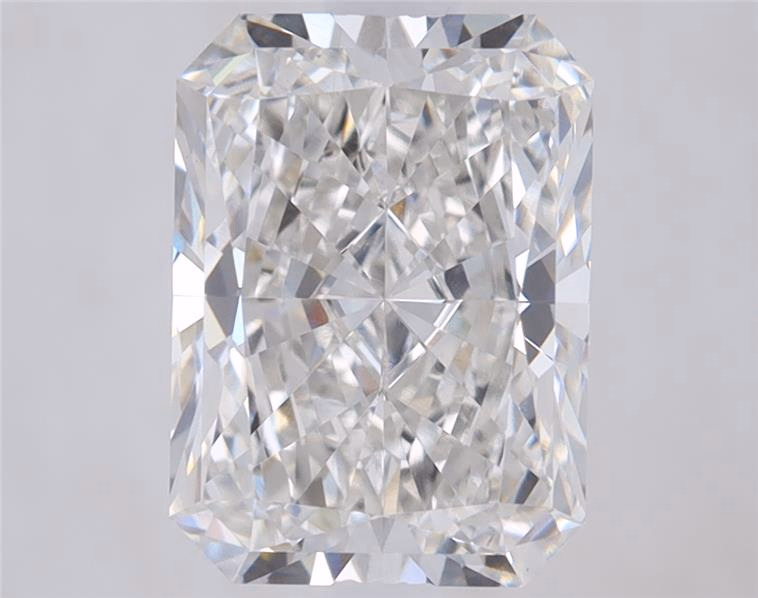 Video
- 9.47 CT RadiantE Color · VVS2 Clarity$5,587
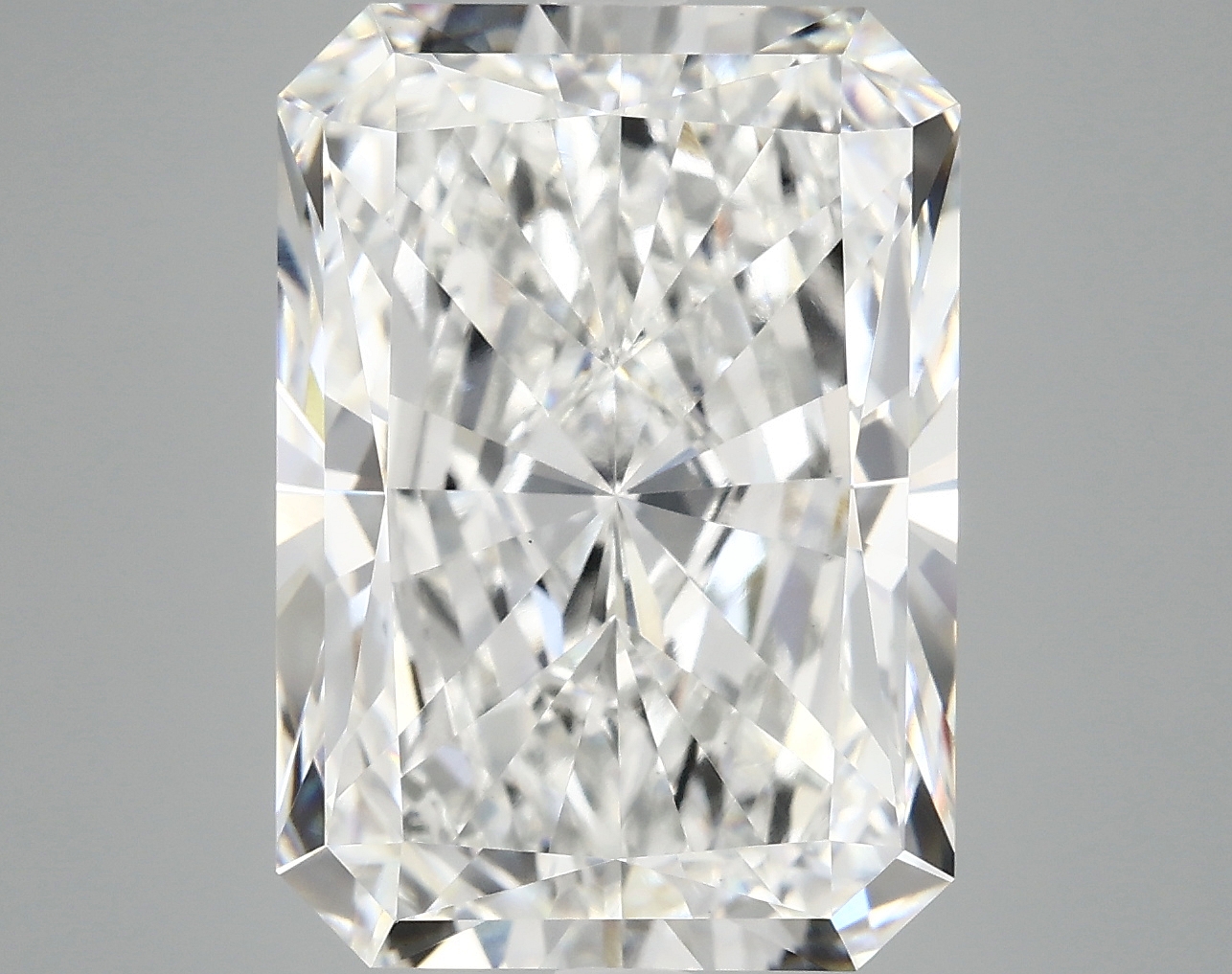 Video
- 9.61 CT RadiantE Color · VVS2 Clarity$5,670
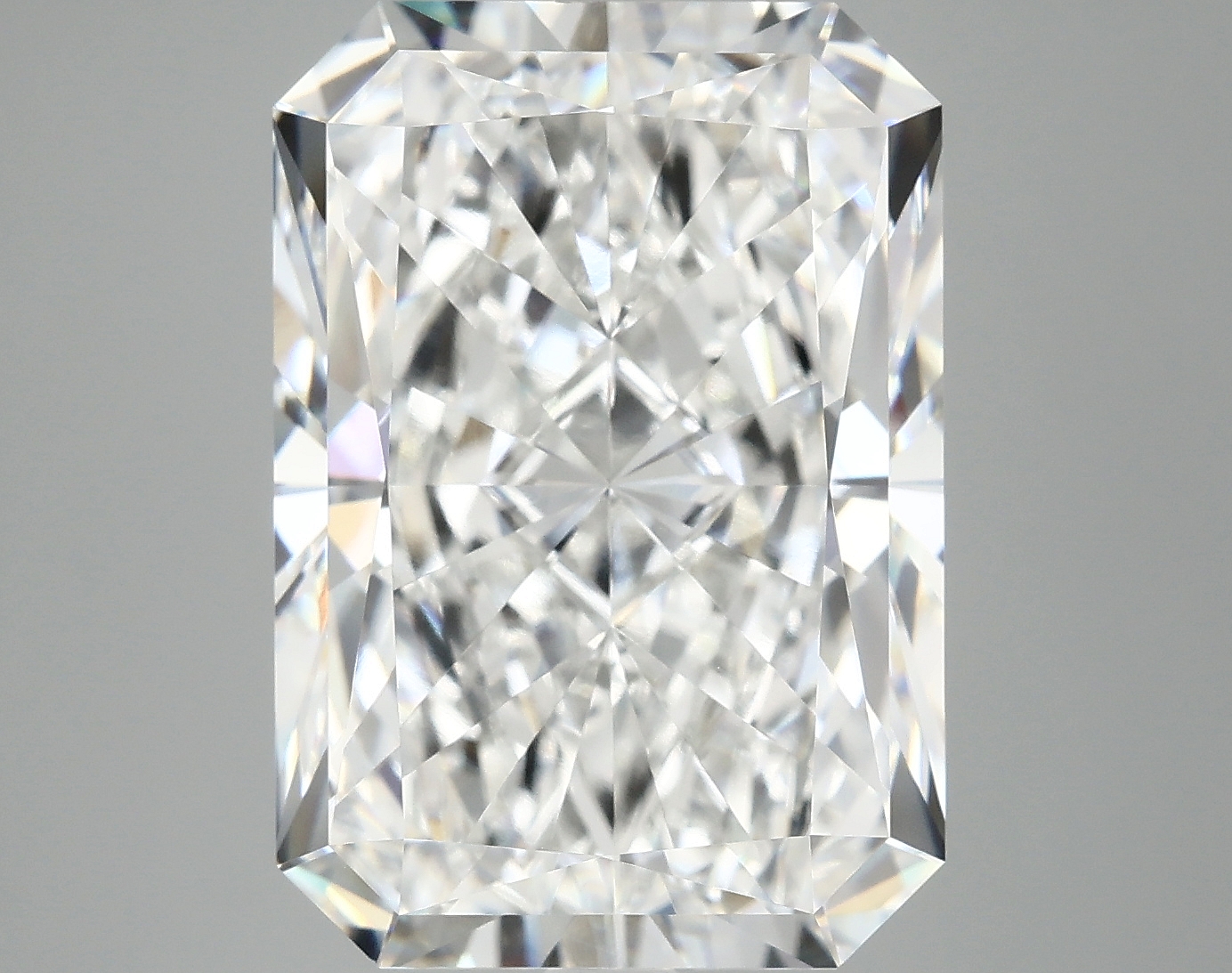 Video
- 10.05 CT RadiantF Color · VS1 Clarity · Excellent Cut$5,477
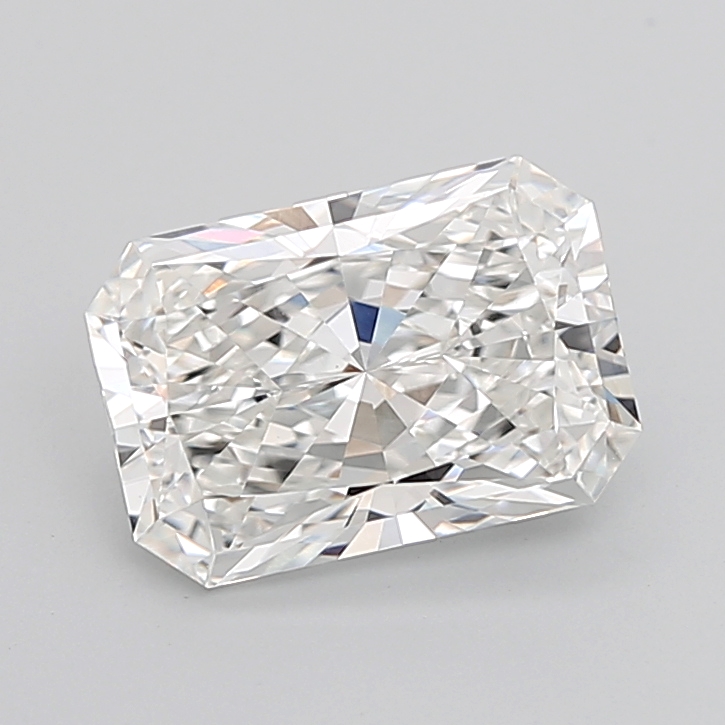 360°
- 10.81 CT RadiantE Color · VVS2 Clarity$6,378
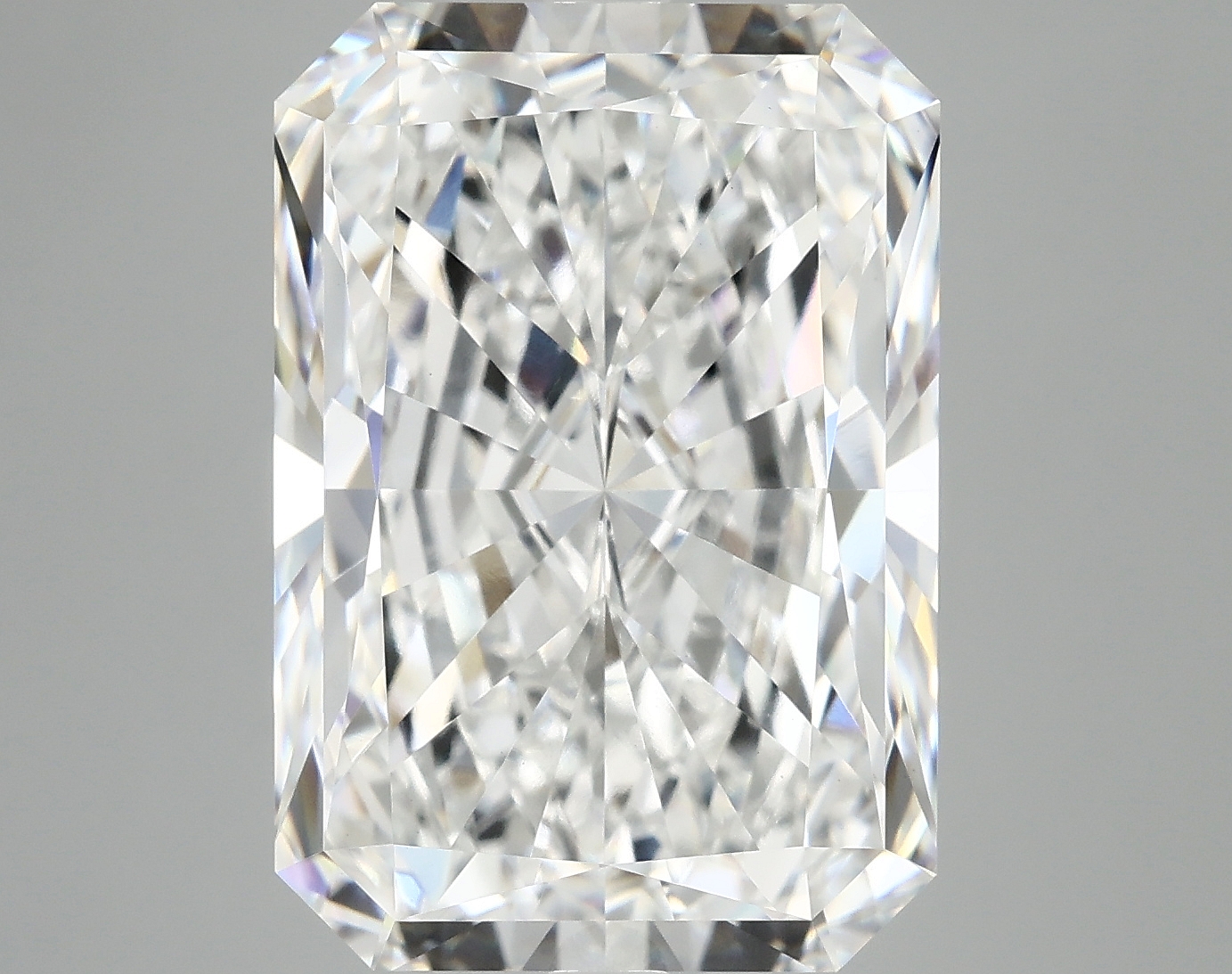 Video
- 10.73 CT RadiantE Color · VVS2 Clarity$6,331
 Video
Showing 23 of 23
The Radiant Guide
Choosing a Radiant Diamond
Carat
Length to width
Most popular: 1.35–1.50. Lower ratios look almost square; higher ones show a clear rectangle.
Certified Lab-Grown
About Radiant Cut Lab-Grown Diamonds
The radiant is a modified brilliant cut. Its facet arrangement creates a different visual pattern from the long, parallel facets of an emerald cut, even when the two stones have similar outlines.
Radiants vary in the size and distribution of their flashes. Some have a finely textured appearance, while others show more distinct areas of light and contrast. Look for a balanced outline and an appealing pattern across the entire diamond.
Also compare: Emerald Cut Lab-Grown Diamonds, Cushion Cut Lab-Grown Diamonds, Princess Cut Lab-Grown Diamonds
Radiant Cut Diamond FAQs
What is the difference between a radiant and an emerald cut?
The radiant uses brilliant-style faceting, whereas the emerald uses step faceting. Their light patterns are noticeably different.
What ratio is best for a radiant diamond?
A ratio close to 1.00 is square; higher ratios give a rectangular silhouette. There is no single ratio that ensures good light performance.
Do radiant diamonds all have the same facet count?
No. Facet layouts can differ between modified brilliant designs, so the number alone is not a reliable measure of sparkle.
Are radiant diamonds resistant to chipping?
Clipped corners avoid the exposed sharp tips of some other shapes, but any diamond can chip if struck.
What clarity should I consider for a radiant?
Its busy facet pattern can make certain inclusions less visible. Compare individual stones rather than assuming a clarity grade guarantees an eye-clean appearance.
Is a radiant larger than a cushion of the same weight?
Not necessarily. Compare both stones' millimeter measurements and outlines before deciding which appears larger.