Certified Lab-Grown
Round Lab-Grown Diamonds
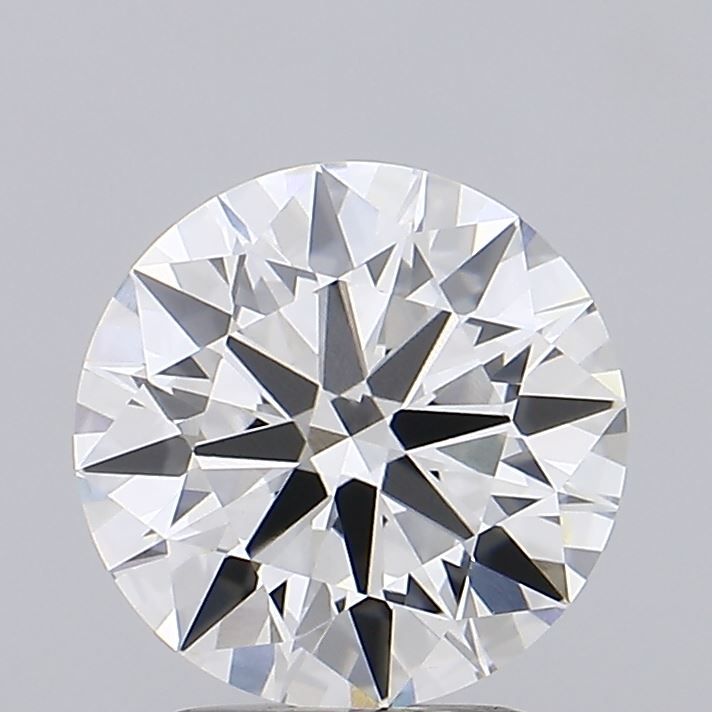
The round brilliant is cut with 57 or 58 facets arranged to bring out a diamond’s brilliance, fire and sparkle. When selecting a loose round lab-grown diamond, consider its cut quality, proportions and diameter alongside carat weight, color and clarity. Even round diamonds of the same carat weight can differ in visible size and light performance.
- GIA & IGI Certified
- Complimentary Shipping
- 30-Day Returns
- Lifetime Warranty
3,595 Diamonds
- 2.92 CT RoundE Color · VS1 Clarity · Ideal Cut$1,664
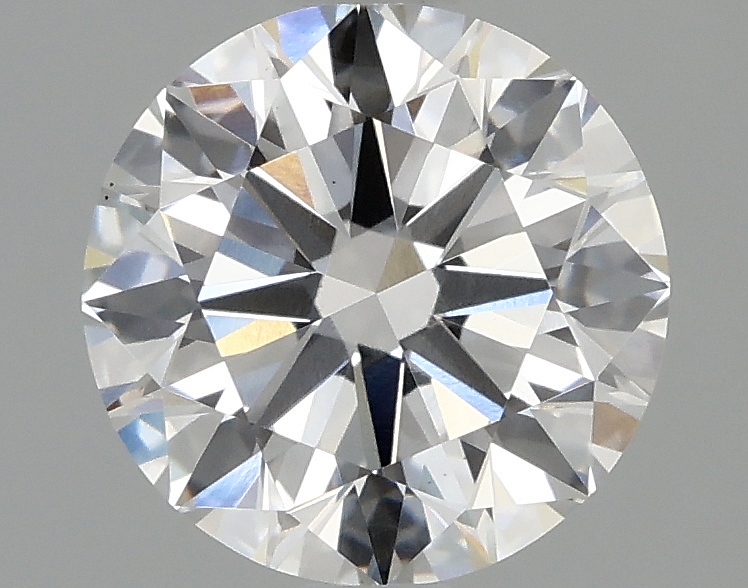 Video
- 2.11 CT RoundG Color · VVS1 Clarity · Ideal Cut$1,182
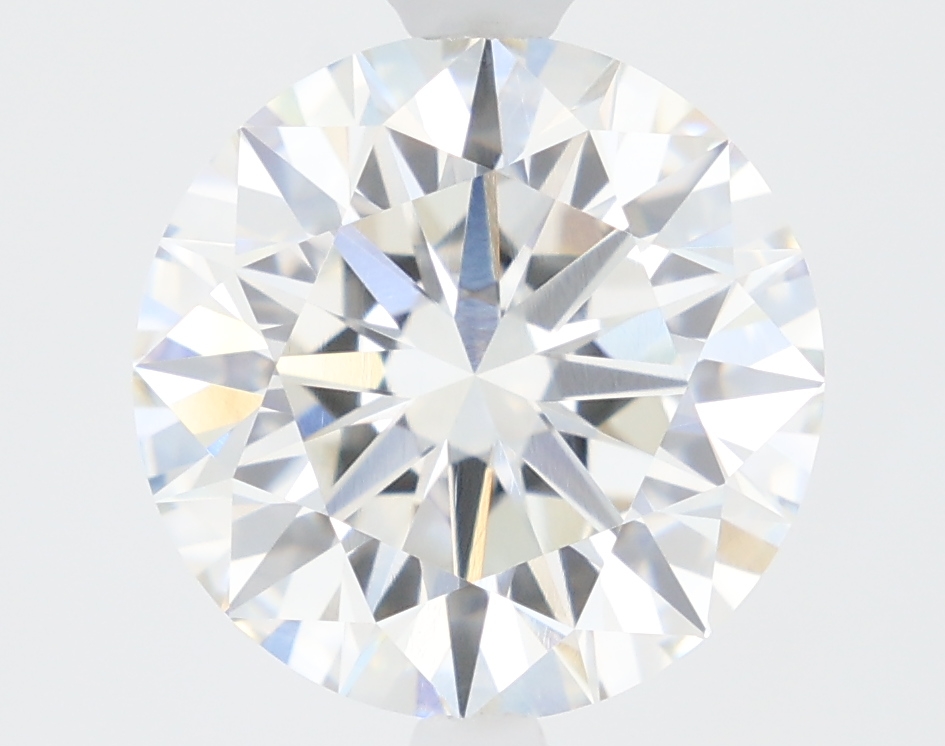 360°
- 2.58 CT RoundD Color · VS2 Clarity · Excellent Cut$1,484
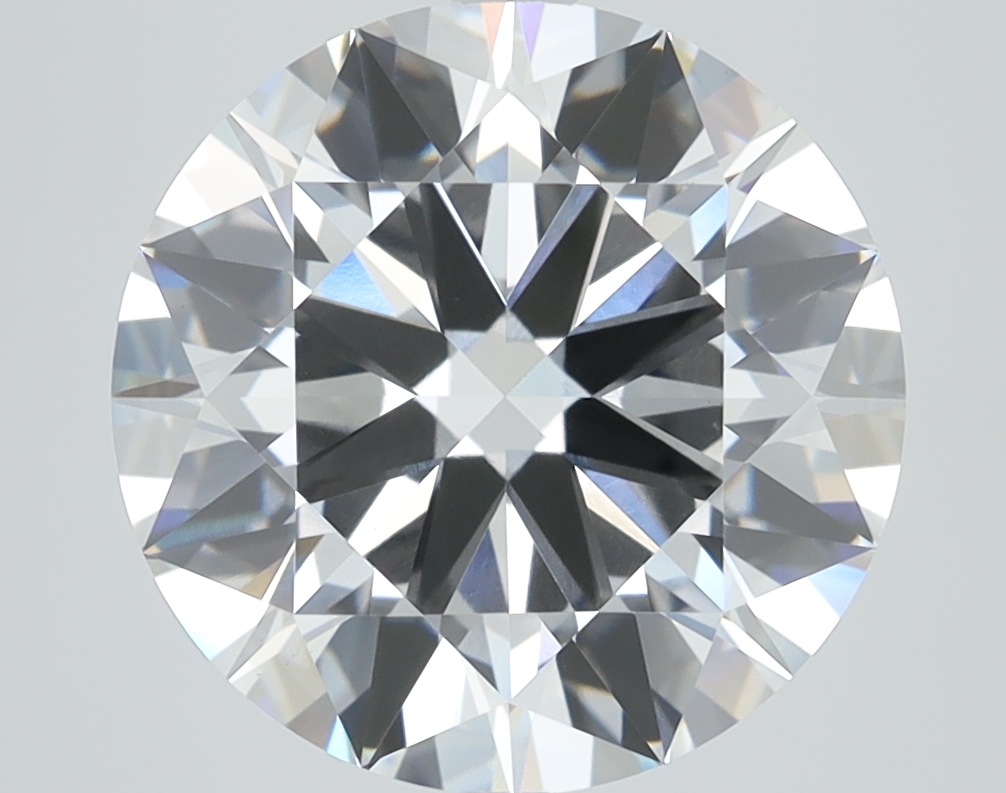 Video
- 2.87 CT RoundF Color · VVS2 Clarity · Excellent Cut$1,622
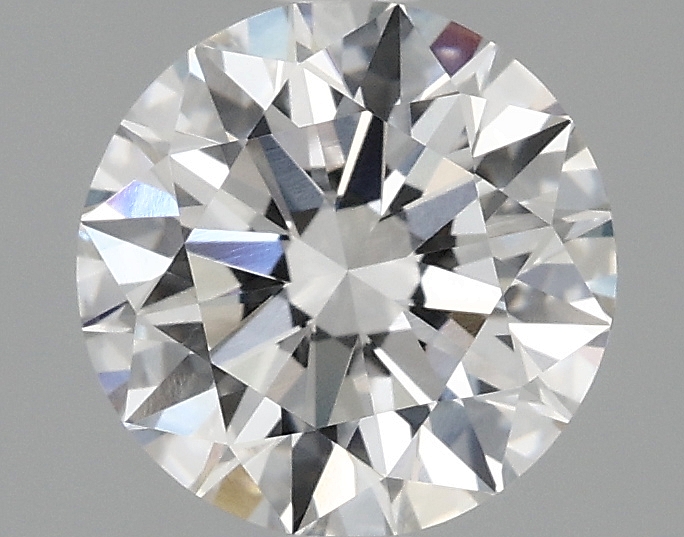 Video
- 2.08 CT RoundG Color · VVS1 Clarity · Excellent Cut$1,165
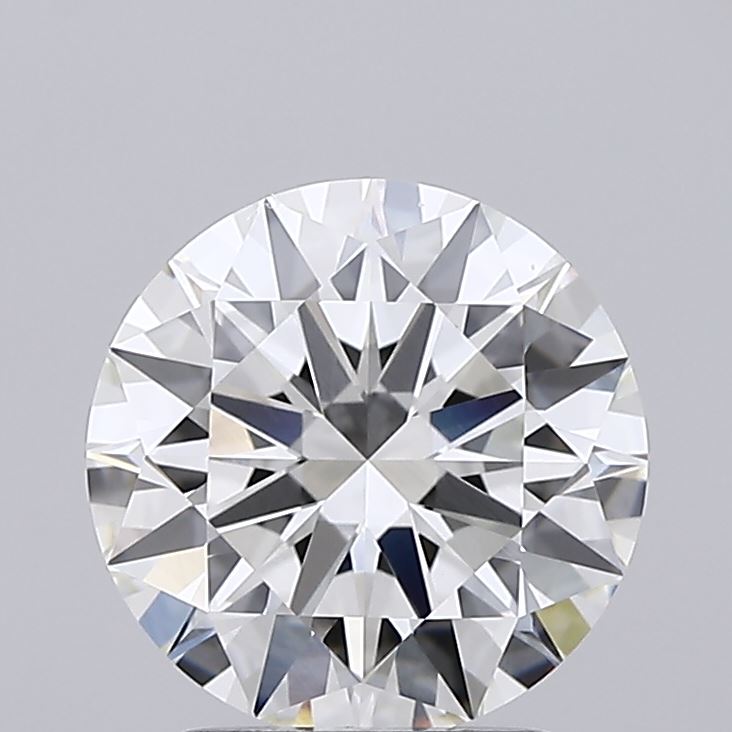 360°
- 2.85 CT RoundE Color · VS1 Clarity · Ideal Cut$1,625
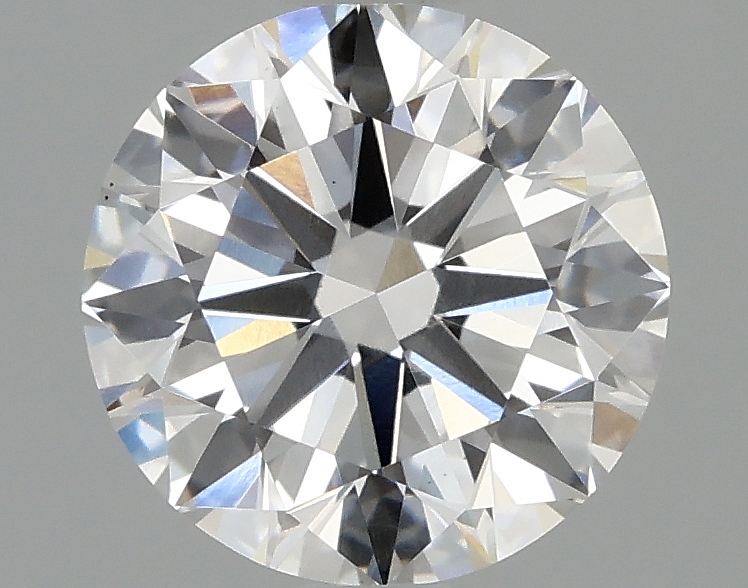 Video
- 2.94 CT RoundE Color · VVS2 Clarity · Ideal Cut$1,735
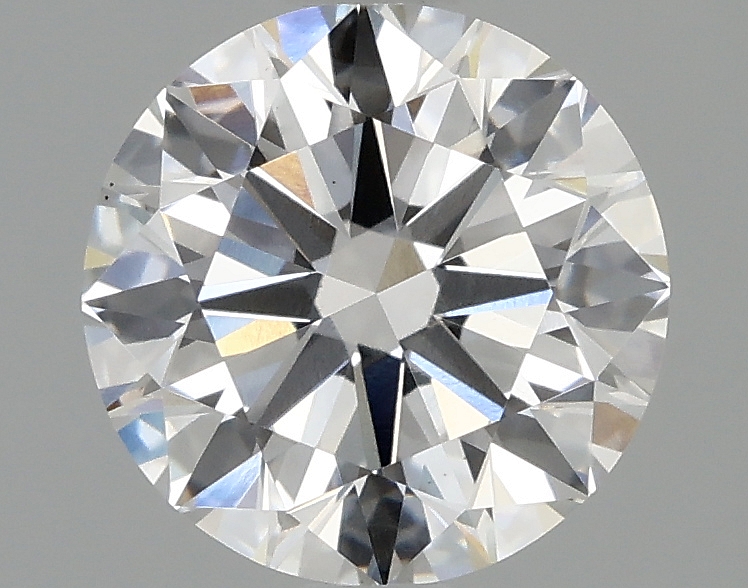 Video
- 2.86 CT RoundF Color · VS2 Clarity · Ideal Cut$1,502
- 2.35 CT RoundF Color · VS1 Clarity · Ideal Cut$1,281
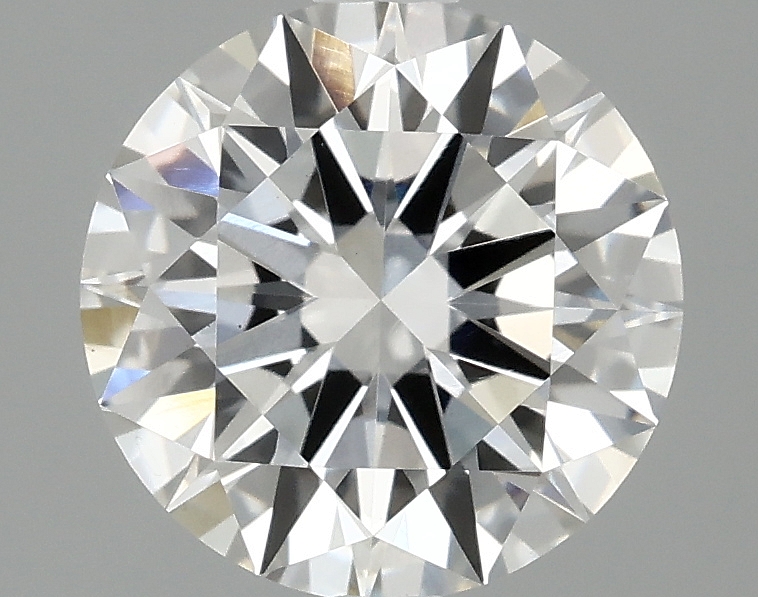 Video
- 2.09 CT RoundD Color · VS2 Clarity · Excellent Cut$1,202
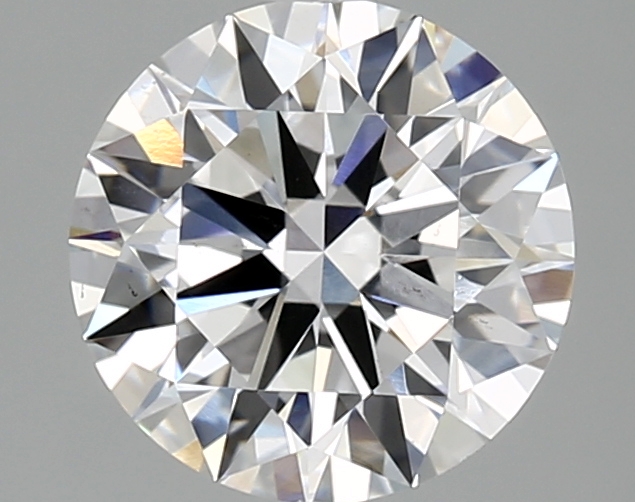 Video
- 2.93 CT RoundD Color · VS2 Clarity · Ideal Cut$1,685
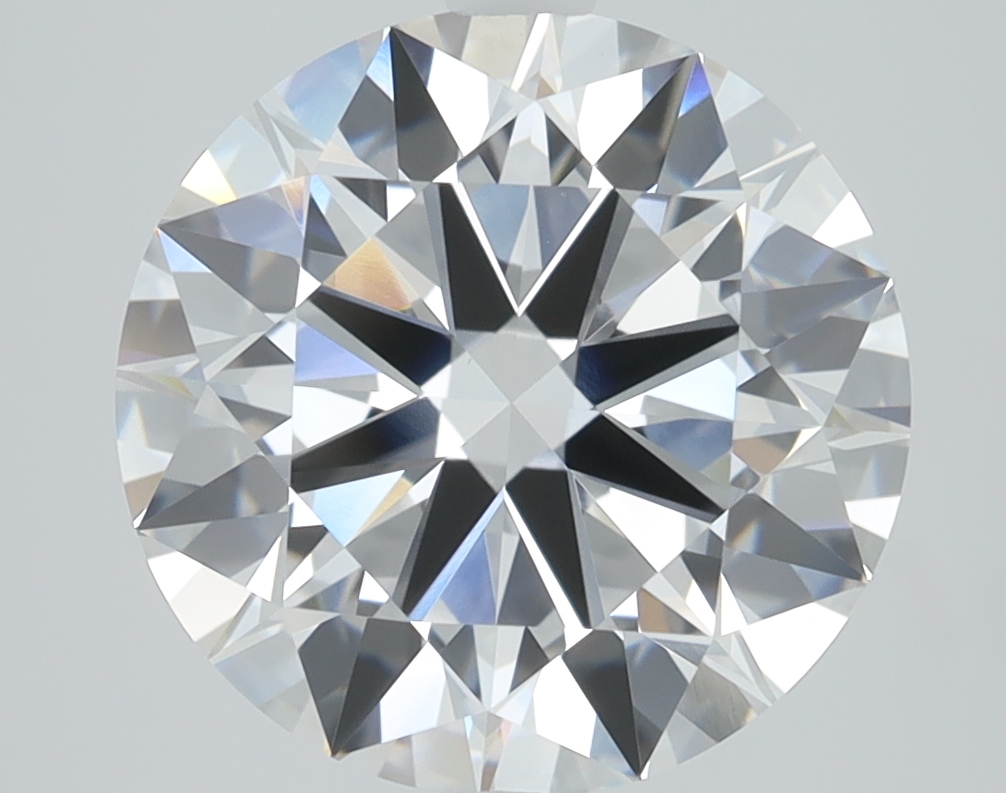 Video
- 2.83 CT RoundF Color · VVS2 Clarity · Ideal Cut$1,599Video
- 2.41 CT RoundE Color · VS2 Clarity · Ideal Cut$1,326
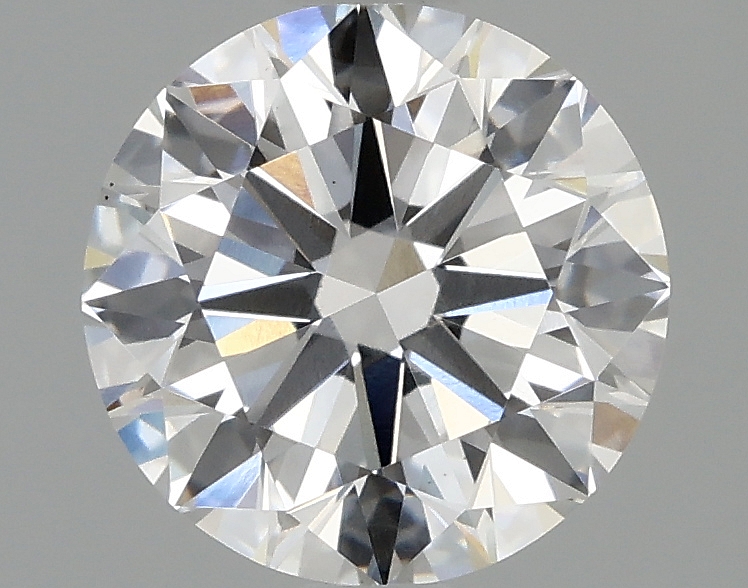 Video
- 2.89 CT RoundE Color · VS2 Clarity · Ideal Cut$1,590
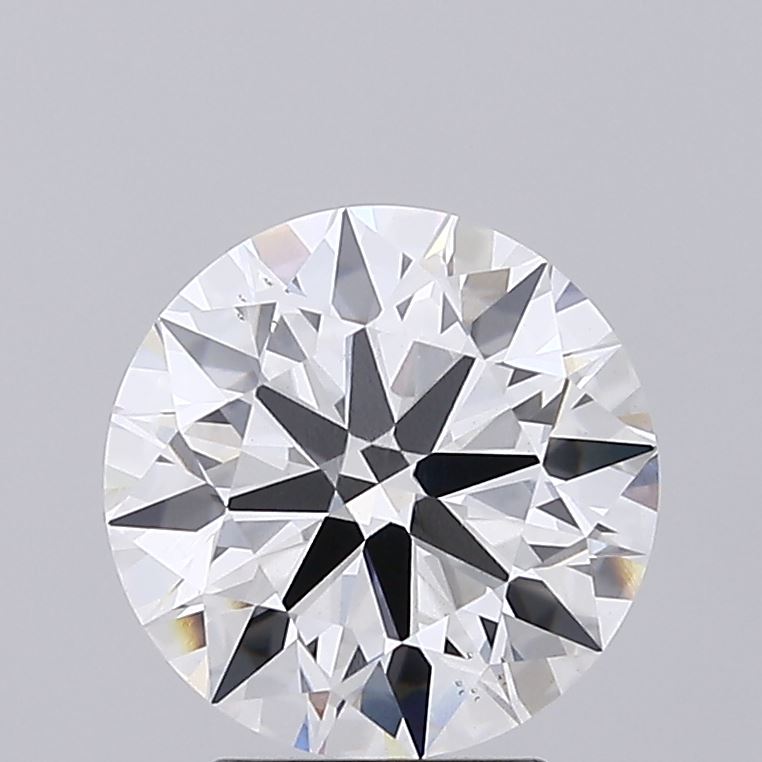 Video
- 2.83 CT RoundF Color · VVS2 Clarity · Ideal Cut$1,599
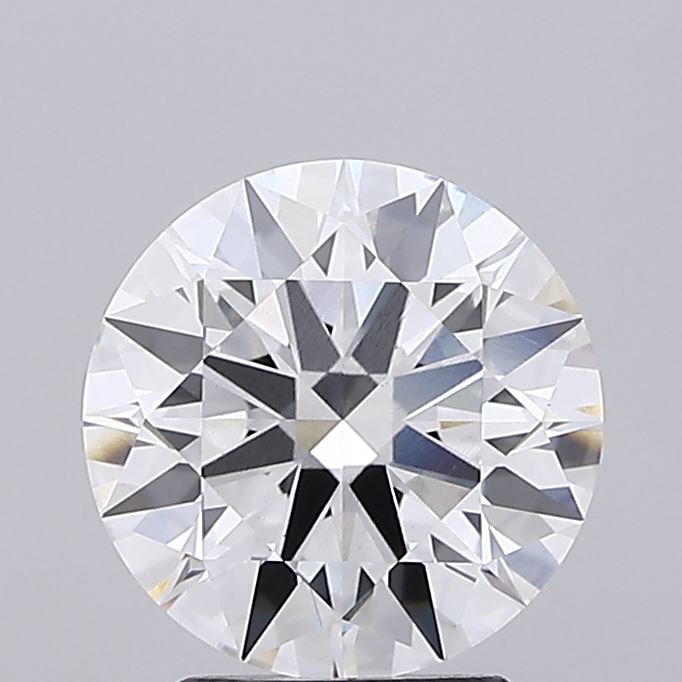 Video
- 2.13 CT RoundF Color · VS2 Clarity · Excellent Cut$1,118
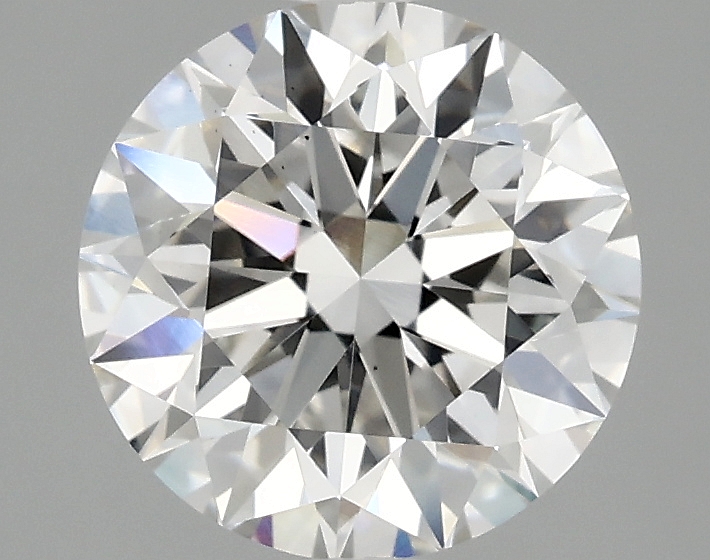 Video
- 2.06 CT RoundD Color · VS2 Clarity · Excellent Cut$1,185
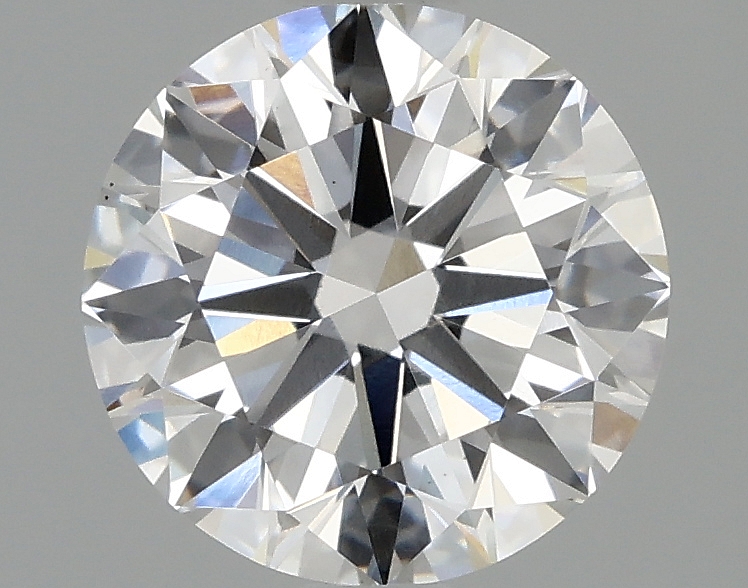 Video
- 2.87 CT RoundF Color · VS1 Clarity · Ideal Cut$1,564
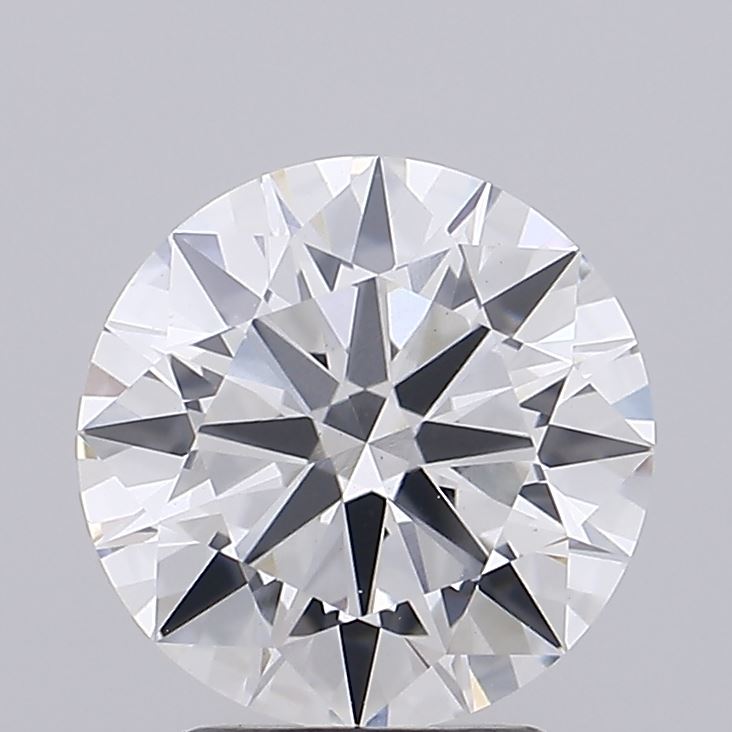 Video
- 2.62 CT RoundE Color · VS1 Clarity · Ideal Cut$1,493
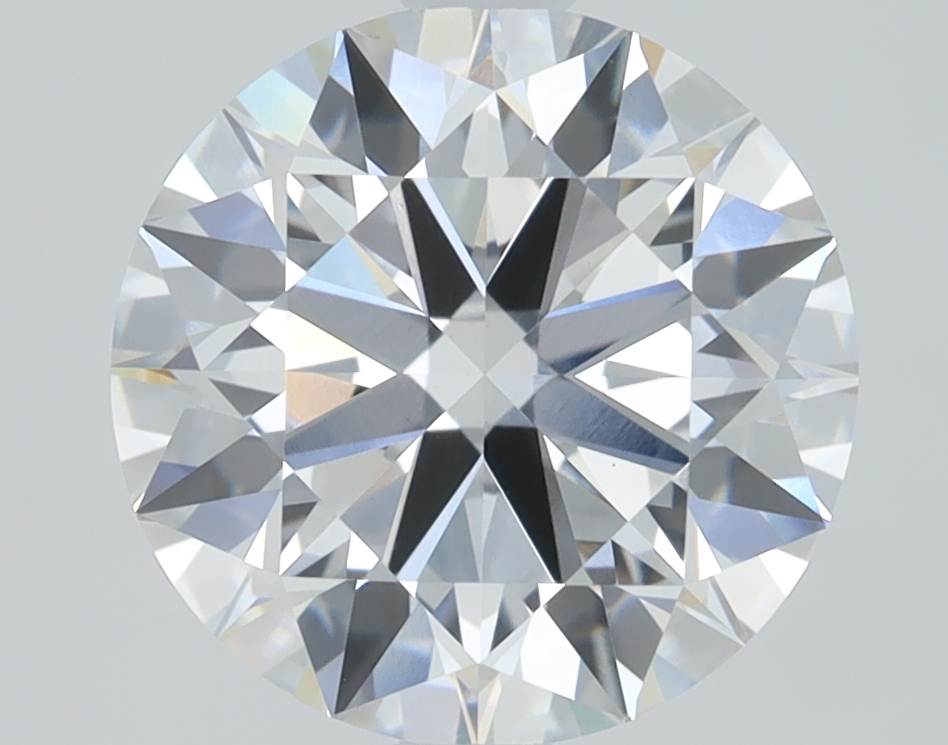 Video
- 2.88 CT RoundF Color · VS1 Clarity · Ideal Cut$1,570
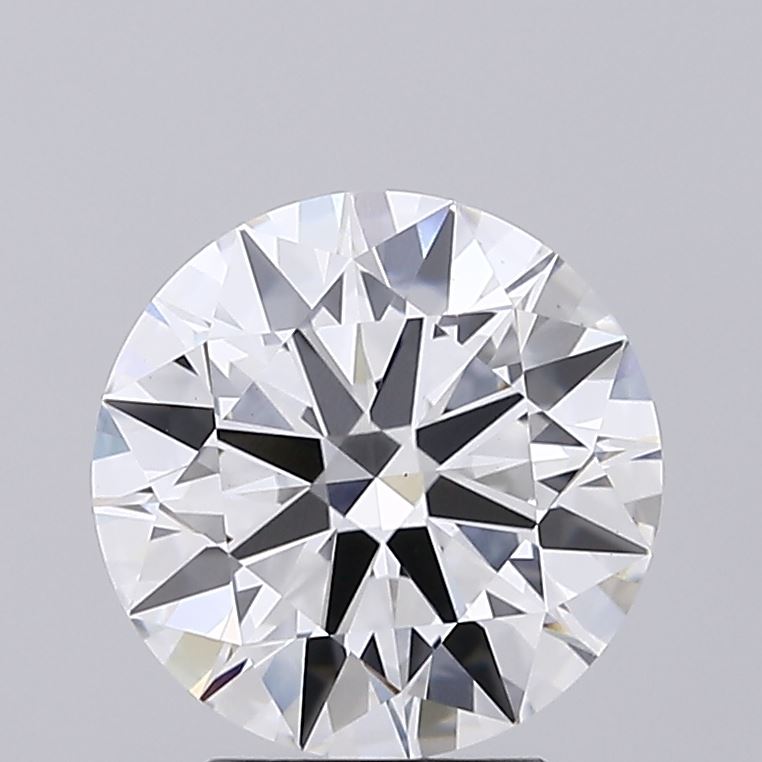 Video
- 2.06 CT RoundF Color · VS1 Clarity · Excellent Cut$1,123
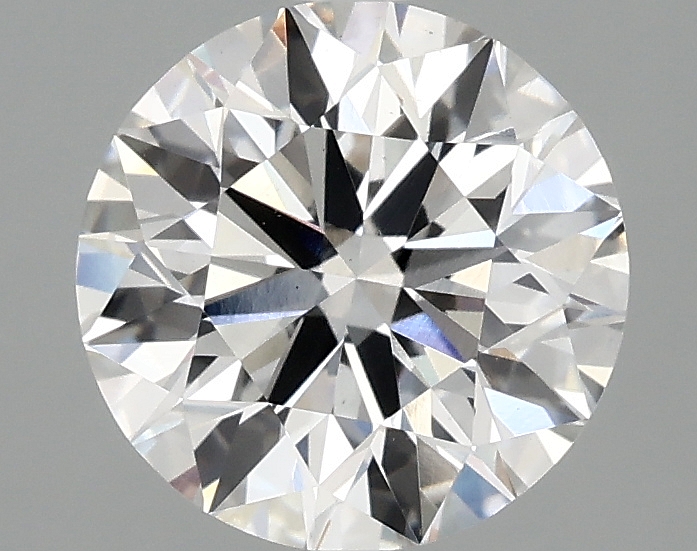 Video
- 2.89 CT RoundF Color · VS1 Clarity · Ideal Cut$1,575
 Video
- 2.09 CT RoundD Color · VS2 Clarity · Ideal Cut$1,202
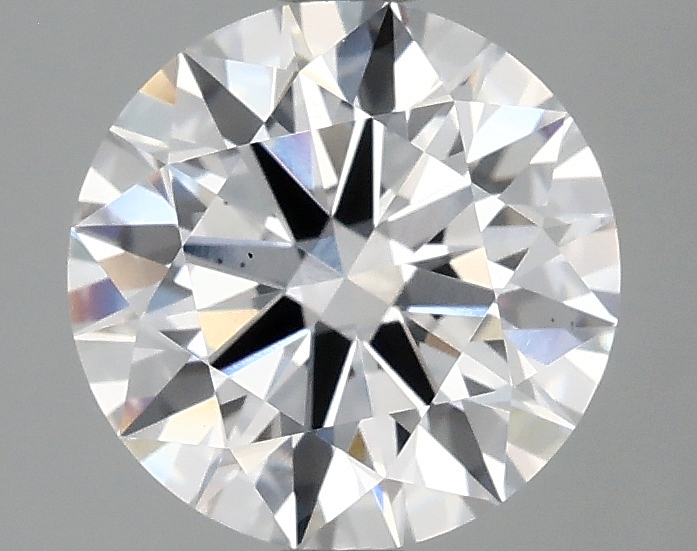 Video
- 2.88 CT RoundF Color · VS1 Clarity · Ideal Cut$1,570
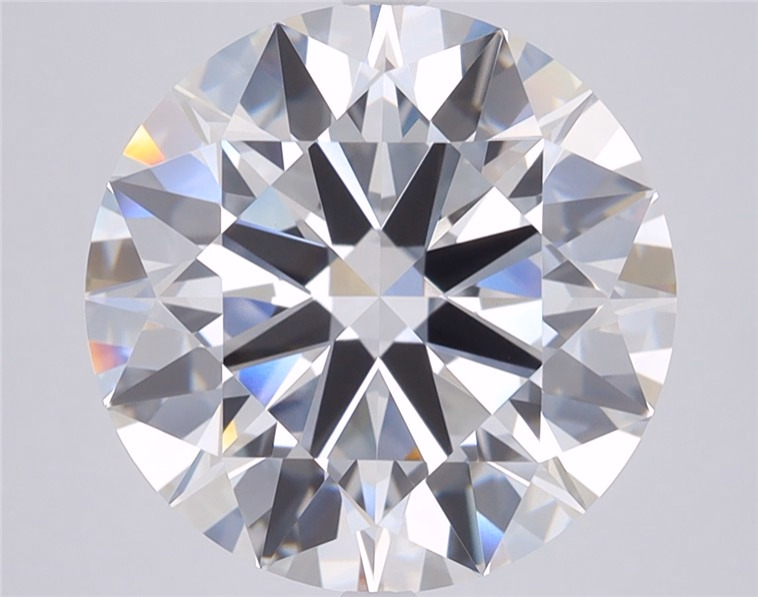 Video
- 2.93 CT RoundD Color · VS2 Clarity · Ideal Cut$1,685
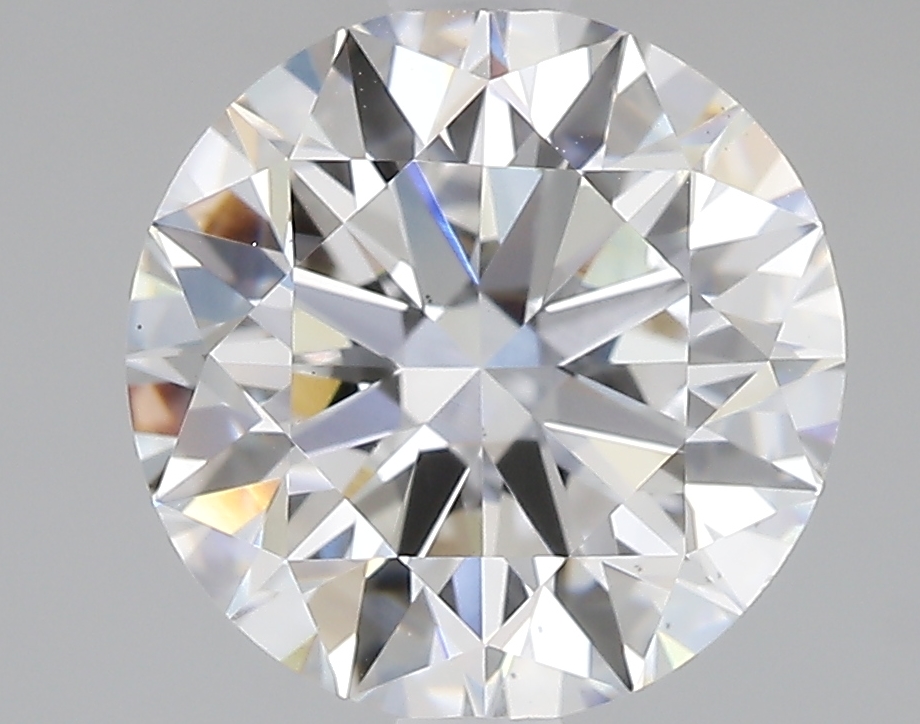 Video
- 2.6 CT RoundE Color · VS2 Clarity · Ideal Cut$1,430
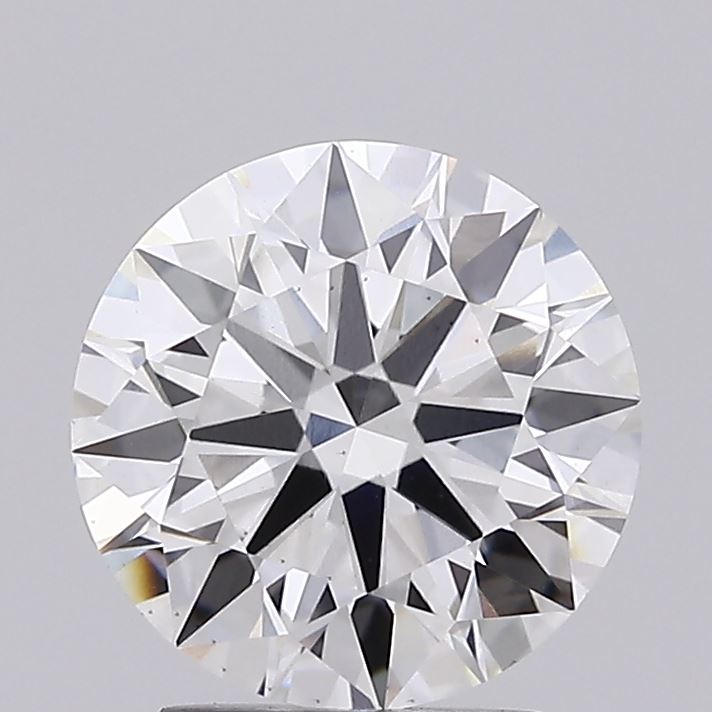 Video
- 2.92 CT RoundF Color · VVS2 Clarity · Excellent Cut$1,650
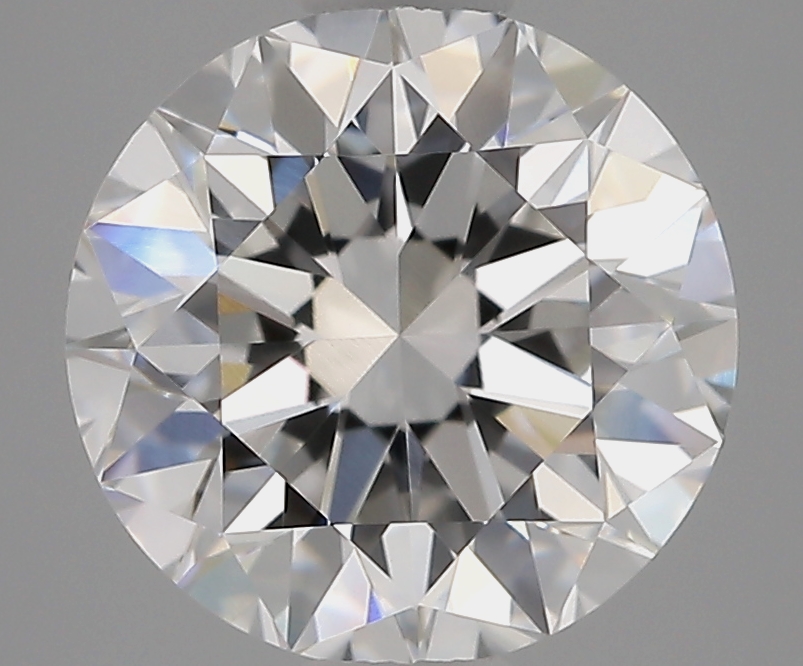 Video
- 2.83 CT RoundF Color · VVS2 Clarity · Ideal Cut$1,599
 Video
Showing 28 of 3,595
Certified Lab-Grown
About Round Lab-Grown Diamonds
The round brilliant has a carefully arranged pattern of facets on its upper and lower surfaces. Their angles affect brightness, colored flashes and the changing pattern of light you see as the diamond moves.
A round diamond's diameter is useful when comparing stones of similar weight. A deeper stone may carry more weight below its widest edge without appearing wider from above. Balance visual performance with the dimensions, color and clarity that suit your preferences.
Also compare: Oval Cut Lab-Grown Diamonds
Round Diamond FAQs
How many facets does a round brilliant diamond have?
A standard round brilliant has 57 facets, or 58 if it has a polished culet facet.
What cut grade should I choose?
For an IGI-graded round diamond, Ideal or Excellent is a useful starting point. Compare the individual stone's appearance as well as its report.
What is a good clarity grade for a round diamond?
VS2 can be a useful starting point, but some lower-clarity stones also appear clean without magnification. Inclusion position and visibility matter.
What color grade is best?
D–F grades are colorless on the IGI scale, while G–J are near colorless. Choose according to how much warmth you notice and prefer.
Are all one-carat round diamonds the same size?
No. Carat measures weight, while diameter measures visible width; proportions can differ between stones.
Are laboratory-grown round diamonds real diamonds?
Yes. Laboratory-grown diamonds have the same essential chemical and optical properties as natural diamonds, but originate in a laboratory.